.avif)


دليل لحساب العائد على حقوق الملكية ومقارنته بالمعايير وتحسينه للشركات في الإمارات، مع تحليل دوبونت (DuPont) والأخطاء الشائعة التي ينبغي تجنبها.
- سجّلت الشركات المدرجة في سوق دبي ارتفاعًا في صافي أرباح الربع الثالث بنسبة %29.7 على أساس سنوي لتصل إلى 8.1 مليار دولار أمريكي (66.47 مليار درهم إماراتي)، بدعم من قطاعات البنوك والمرافق والعقارات، وهو ما يؤكد أن القطاع يحدد مستوى العوائد التي يحققها المساهمون.
- العائد على حقوق الملكية (ROE) هو صافي الدخل مقسومًا على حقوق المساهمين، ويختلف المستوى الجيد له من قطاع إلى آخر، إذ تستهدف الشركات في الإمارات في الغالب ما بين %12 و%20.
- يقسّم تحليل دوبونت العائد على حقوق الملكية إلى هامش الربح ومعدل دوران الأصول ومضاعف حقوق الملكية، ليوضح ما إذا كانت العوائد ناتجة عن أداء تشغيلي قوي أم عن مجرد زيادة الاقتراض.
- قد يتضخم العائد على حقوق الملكية بسبب ارتفاع الرافعة المالية أو المكاسب غير المتكررة أو صغر قاعدة حقوق الملكية، لذلك يُستحسن قراءته إلى جانب العائد على الأصول (ROA) والتدفق النقدي ونسبة حقوق الملكية إلى الديون.
- دقة البيانات هي ما يجعل هذا المؤشر موثوقًا، وتوفّر الآن للفرق المالية الاطلاع الفوري على الإنفاق ومسارات موافقة منظمة والمزامنة مع الأنظمة المحاسبية، حتى تبقى أرقام التكاليف التي يُحسب منها العائد على حقوق الملكية دقيقة.
يؤثر العائد على حقوق الملكية (ROE) في ثقة المستثمرين، والقدرة على الاقتراض، ونقاشات التقييم، وقرارات تخصيص رأس المال في الإمارات. وفي قطاعات مثل العقارات والتجارة الإلكترونية والرعاية الصحية، حيث تتفاوت كثافة رأس المال والرافعة المالية تفاوتًا كبيرًا، قد يعطي النظر إلى هذا المؤشر بمعزل عن غيره صورة مضللة عن الأداء والمخاطر.
ويتضح ذلك عند النظر إلى الشركات المدرجة في سوق دبي، التي سجّلت ارتفاعًا في صافي أرباح الربع الثالث بنسبة %29.7 على أساس سنوي لتصل إلى 8.1 مليار دولار أمريكي (66.47 مليار درهم إماراتي). وجاء هذا النمو بدرجة كبيرة من قطاعات البنوك والمرافق والعقارات، وهو ما يبيّن أثر طبيعة كل قطاع في العوائد التي يحققها المساهمون.
يشرح هذا المقال طريقة حساب العائد على حقوق الملكية بدقة، والمستوى الجيد له في مختلف القطاعات، وكيف يكشف تحليل دوبونت (DuPont) مصادر العوائد، وكيفية استخدام هذا المؤشر في إعداد الموازنات والتوقعات المالية واتخاذ القرارات الاستراتيجية.
ملخص سريع
- يقيس العائد على حقوق الملكية كفاءة استخدام رأس المال: يوضح هذا المؤشر مدى نجاح شركتك في تحويل حقوق المساهمين إلى أرباح في قطاعات مثل العقارات والتجارة الإلكترونية والرعاية الصحية.
- الحساب يحتاج إلى سياق: تعتمد دقة العائد على حقوق الملكية على بيانات صافي دخل دقيقة، وأرقام معدّلة لحقوق الملكية، ومراجعة متأنية لأثر الرافعة المالية.
- تختلف المعايير المرجعية من قطاع إلى آخر: يتفاوت المستوى الجيد للعائد على حقوق الملكية بحسب القطاع، إذ تعمل القطاعات كثيفة رأس المال عادةً ضمن نطاقات أدنى من الشركات التي لا تحتاج إلى أصول كبيرة.
- يضيف تحليل دوبونت عمقًا للتحليل: يكشف تقسيم العائد على حقوق الملكية إلى هامش الربح ومعدل دوران الأصول ومضاعف حقوق الملكية ما إذا كانت العوائد ناتجة عن الأداء التشغيلي أم عن الرافعة المالية.
- أخطاء التفسير تشوّه النتائج: إغفال الديون أو المكاسب غير المتكررة أو التغيرات في هيكل رأس المال أو صغر قاعدة حقوق الملكية قد يضخّم العائد على حقوق الملكية ويؤدي إلى قرارات استراتيجية مضللة.
كيف يعكس العائد على حقوق الملكية كفاءة شركتك وربحيتها في الإمارات؟
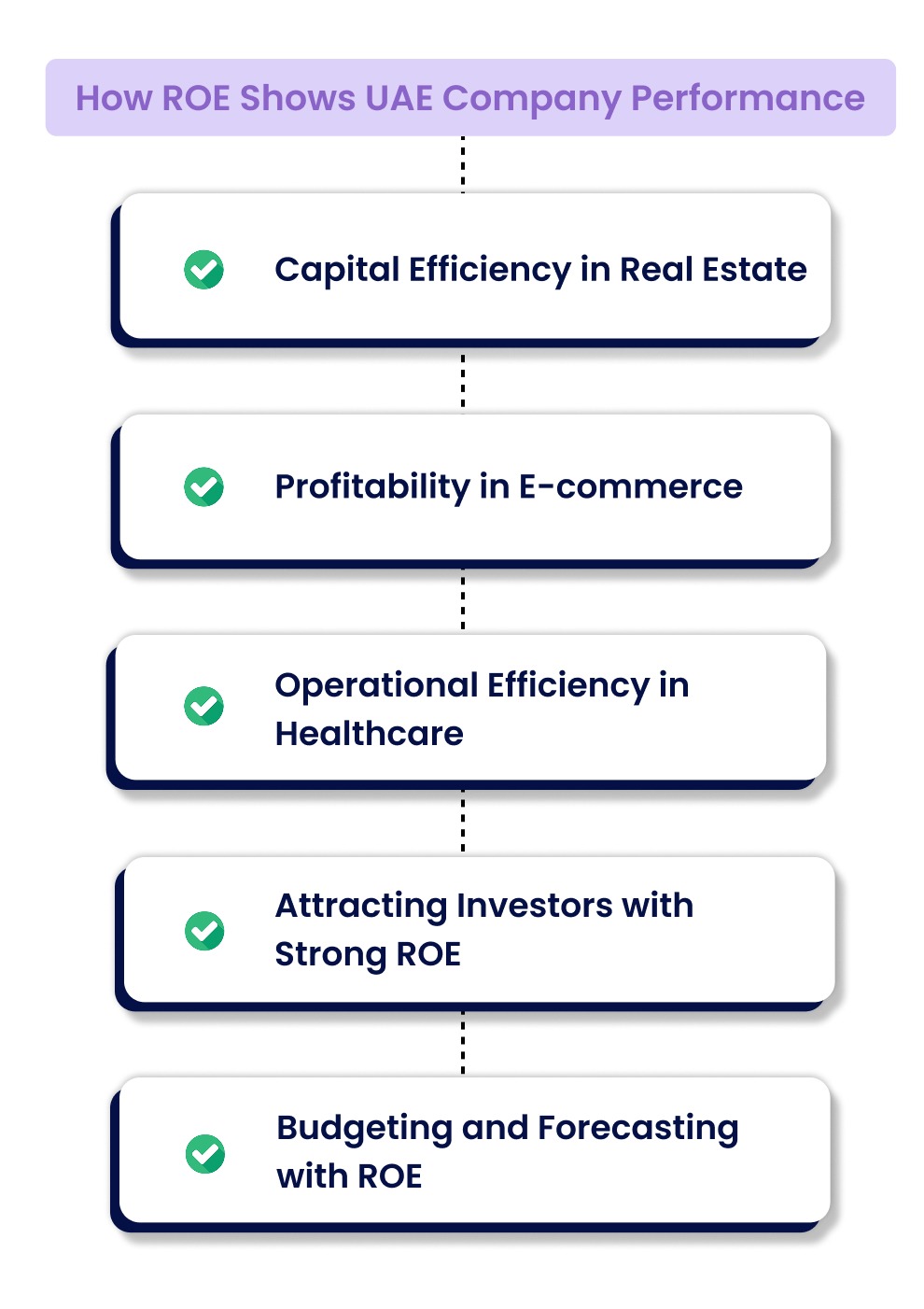
العائد على حقوق الملكية مؤشر مهم للقادة الماليين في الإمارات لتقييم مدى كفاءة الشركة في استخدام رأس مالها لتحقيق الأرباح. وفي قطاعات مثل العقارات والتجارة الإلكترونية والرعاية الصحية، يقدّم هذا المؤشر صورة عن الكفاءة التشغيلية وعن ربحية الشركة بشكل عام.
وفيما يلي كيف يعكس العائد على حقوق الملكية كفاءة شركتك وربحيتها في الإمارات:
1. كفاءة استخدام رأس المال في قطاع العقارات
كثيرًا ما تواجه شركات العقارات صعوبة في تخصيص رأس المال للمشاريع مرتفعة التكلفة. ويساعد العائد على حقوق الملكية في معرفة ما إذا كانت الأموال المستثمرة تحقق عوائد جيدة. فارتفاع هذا العائد يعني أن الاستثمارات تؤتي ثمارها، مما يسهّل تخصيص رأس المال بكفاءة.
مقترح للقراءة: دليل «فهم قائمة المركز المالي لشركات العقارات وتحليلها»
2. الربحية في التجارة الإلكترونية
كثيرًا ما تتحمل شركات التجارة الإلكترونية تكاليف مرتفعة لاكتساب العملاء وتعمل بهوامش ربح محدودة. ويبيّن العائد على حقوق الملكية مدى نجاح التسويق والعمليات في تحويل الاستثمارات إلى أرباح.
ويدل ارتفاع العائد على حقوق الملكية على أن الشركة تدير تكاليفها بكفاءة وتحافظ على ربحيتها رغم التحديات التي يواجهها القطاع.
3. الكفاءة التشغيلية في الرعاية الصحية
تحتاج شركات الرعاية الصحية إلى ضبط التكاليف مع الحفاظ على الربحية. ويكشف العائد على حقوق الملكية ما إذا كانت الموارد تُستخدم بكفاءة في مختلف الخدمات أو الأقسام. ويشير انخفاض هذا العائد إلى مجالات يمكن فيها إدارة الموارد بصورة أفضل لتحسين الأرباح والأداء المالي العام.
4. جذب المستثمرين بعائد قوي على حقوق الملكية
كثيرًا ما تحتاج الشركات الناشئة والشركات النامية إلى إثبات أدائها المالي لجذب المستثمرين. ويُظهر العائد المرتفع والمستقر على حقوق الملكية أن الشركة تستخدم رأس مالها بفعالية، مما يطمئن المستثمرين إلى أن أموالهم ستحقق عوائد، ويدعم الحصول على التمويل اللازم للنمو مستقبلًا.
5. إعداد الموازنات والتوقعات المالية باستخدام العائد على حقوق الملكية
قد يكون توقع النمو وإعداد الموازنات مهمة صعبة على الفرق المالية. ويساعد العائد على حقوق الملكية في تقييم أداء الاستثمارات السابقة، مما يوجّه التخطيط المالي المستقبلي. وبذلك يمكنك تحسين الموازنات والتوقعات المالية، ورفع جودة القرارات وتخصيص الموارد.
بعد أن تتضح أهمية العائد على حقوق الملكية في قياس الكفاءة والربحية، تأتي الخطوة التالية، وهي معرفة طريقة حسابه بدقة.
5 خطوات يتبعها القادة الماليون لحساب العائد على حقوق الملكية وتفسيره بدقة
يُعد حساب العائد على حقوق الملكية مهمًا لفهم مدى كفاءة شركتك في استخدام حقوق الملكية لتحقيق الأرباح. وتزداد قيمة هذا المؤشر في قطاعات مثل العقارات والتجارة الإلكترونية والرعاية الصحية، حيث تؤثر الكفاءة التشغيلية وتخصيص رأس المال تأثيرًا مباشرًا في الربحية.
وفيما يلي كيف يحسب القادة الماليون العائد على حقوق الملكية ويفسرونه بدقة لدعم قرارات الأعمال المبنية على البيانات:
1. فهم مكونات العائد على حقوق الملكية
لحساب العائد على حقوق الملكية، استخدم المعادلة التالية:
ROE = صافي الدخل / حقوق المساهمين
- صافي الدخل: إجمالي ما يتبقى من ربح بعد خصم الضرائب والفوائد والمصروفات. ويبيّن مدى ربحية عمليات شركتك.
- حقوق المساهمين: إجمالي قيمة الأصول مطروحًا منها الالتزامات، وتمثل حصة المالكين في الشركة.
بالنسبة إلى الفرق المالية في الإمارات، فإن التأكد من دقة أرقام صافي الدخل وحقوق الملكية أمر أساسي لحساب العائد الحقيقي على حقوق الملكية. وفي قطاعات مثل العقارات، حيث تتغير قيم العقارات باستمرار، استخدم أحدث البيانات المتاحة حتى تبقى حسابات حقوق الملكية موثوقة.
2. مراعاة أثر الديون في حساب العائد على حقوق الملكية
تمثل الديون جزءًا رئيسيًا من التمويل لدى كثير من الشركات في الإمارات، ولا سيما في القطاعات كثيفة رأس المال. ومع أن الديون قد ترفع العائد على حقوق الملكية، فإنها قد تعطي أيضًا صورة مضللة إذا لم تُراجع بعناية.
- العائد على حقوق الملكية المعدّل بأثر الديون: ينبغي للشركات التي تحمل ديونًا كبيرة أن تراجع العائد على حقوق الملكية إلى جانب مؤشرات مثل العائد على الأصول (ROA) ونسبة حقوق الملكية إلى الديون. فهذا يوضح بصورة أدق أثر الديون في العوائد.
عليك أن تتحقق بانتظام مما إذا كان ارتفاع العائد على حقوق الملكية ناتجًا عن أداء قوي أم عن مجرد زيادة الرافعة المالية.
3. استخدام بيانات مالية فورية لحساب دقيق
في قطاعات مثل التجارة الإلكترونية والبرمجيات كخدمة (SaaS)، حيث قد تتغير الهوامش بسرعة، يمكن أن يؤدي استخدام بيانات قديمة إلى استنتاجات خاطئة.
- بيانات محدّثة لحظيًا: عند استخدام بيانات مالية محدّثة من أنظمة محاسبة ومصروفات متكاملة، تستطيع الفرق المالية متابعة اتجاهات العائد على حقوق الملكية على فترات أقرب ورفع دقة قراراتها. وهذا يسهّل تعديل الاستراتيجيات بناءً على الأداء الحالي.
تمنح الآن الفرق المالية الاطلاع الفوري على الإنفاق في الشركة كلها، مع جمع بيانات المصروفات وتسجيلها تلقائيًا والتكامل المباشر مع الأنظمة المحاسبية. وهذا يضمن أن تبقى البيانات المالية المستخدمة في تحليل العائد على حقوق الملكية دقيقة ومحدّثة وجاهزة لإعداد التقارير بدقة.
4. مراعاة الأحداث غير المتكررة
في الإمارات، قد تمر الشركات في قطاعات مثل العقارات والرعاية الصحية بأحداث غير متكررة، مثل بيع أصول أو استرداد ضرائب. ويمكن أن ترفع هذه الأحداث العائد على حقوق الملكية أو تخفضه مؤقتًا، مما يربك قراءة النتائج.
- استبعاد الأحداث غير المتكررة: يساعد استبعاد المكاسب أو الخسائر غير المتكررة من الحساب على أن يعكس العائد على حقوق الملكية الأداء التشغيلي الفعلي بدلًا من التغيرات المؤقتة.
وبذلك يمكنك التركيز على الربحية المستدامة واتخاذ قرارات أفضل على المدى الطويل.
5. الجمع بين العائد على حقوق الملكية ومؤشرات أخرى لفهم أعمق
مع أن العائد على حقوق الملكية مؤشر مهم، فلا ينبغي الاعتماد عليه وحده. ولفهم الوضع المالي لشركتك بصورة أوضح، راجعه إلى جانب مؤشرات أداء رئيسية أخرى، مثل:
- ROA (العائد على الأصول): يبيّن مدى كفاءة الشركة في استخدام أصولها لتحقيق الأرباح.
- هامش مجمل الربح: يساعد مع العائد على حقوق الملكية في متابعة ما إذا كانت الكفاءة التشغيلية تتحسن.
عند مراجعة العائد على حقوق الملكية مع هذه المؤشرات، يمكنك اتخاذ قرارات أكثر ثقة بشأن الاستثمارات وتخصيص الموارد والربحية.
اطّلع على مجموعة النسب المالية الأوسع التي يُقرأ معها هذا المؤشر للحصول على تقييم أشمل.
ويصبح هذا الحساب أكثر فائدة عندما تعرف المستوى الجيد للعائد على حقوق الملكية وكيفية تحسينه.
ما هو المستوى الجيد للعائد على حقوق الملكية، وكيف تحسّنه في شركتك؟
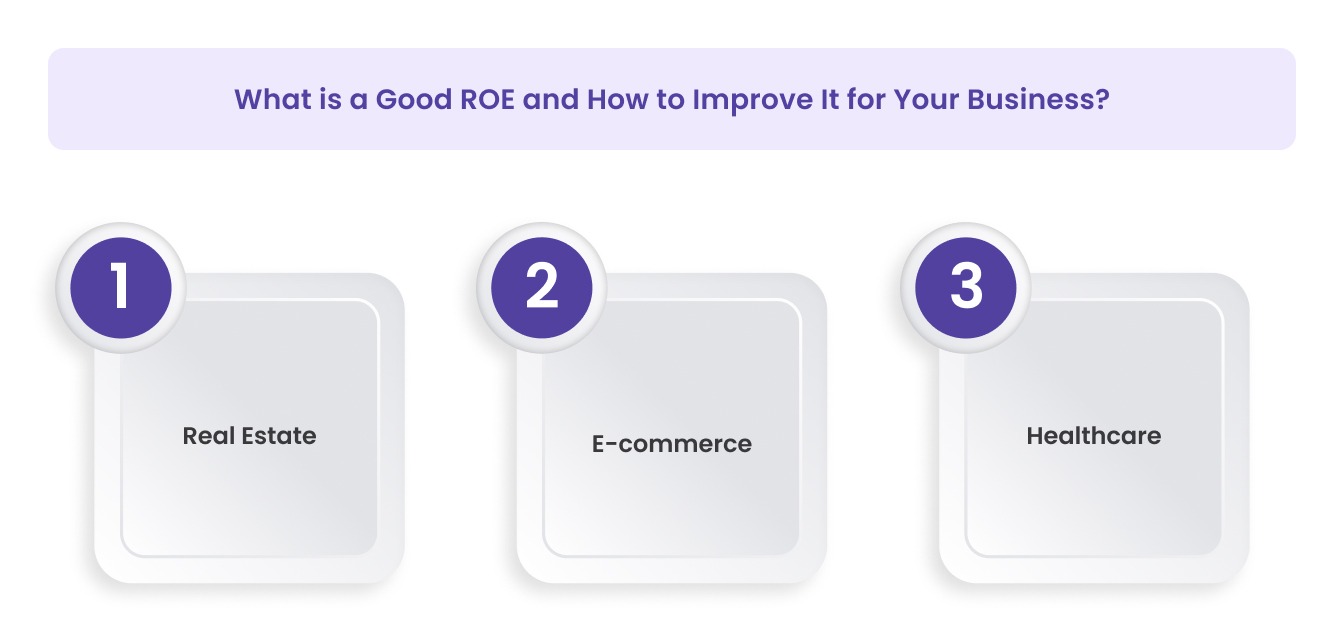
يعتمد المستوى الجيد للعائد على حقوق الملكية على القطاع وظروف السوق ومرحلة نمو الشركة. وفي الإمارات، كثيرًا ما تستهدف الشركات في قطاعات مثل العقارات والتجارة الإلكترونية والرعاية الصحية عائدًا على حقوق الملكية يتراوح بين %12 و%20، وذلك للأسباب التالية:
- العقارات: نظرًا إلى أن هذا القطاع كثيف رأس المال، يُعد العائد على حقوق الملكية الذي يتراوح بين %12 و%15 مستوى جيدًا. ويدل العائد الأعلى على كفاءة استخدام رأس المال في الاستثمارات العقارية، في حين قد يشير العائد الأدنى إلى قصور في تنفيذ المشاريع أو في تخصيص رأس المال.
- التجارة الإلكترونية: بالنسبة إلى شركات التجارة الإلكترونية سريعة النمو، يُعد العائد على حقوق الملكية الذي يتراوح بين %15 و%20 مثاليًا. فهو يدل على أن الشركة تتوسع مع الحفاظ على ربحيتها رغم ارتفاع تكاليف اكتساب العملاء.
- الرعاية الصحية: يُعد العائد على حقوق الملكية الذي يتراوح بين %10 و%15 قويًا لشركات الرعاية الصحية، لأن القطاع كثيرًا ما يتحمل تكاليف تنظيمية مرتفعة تؤثر في الربحية. ويعكس العائد الأعلى كفاءة تشغيلية أفضل في بيئات تحتاج إلى موارد كبيرة.
اقرأ أيضًا: مقال «الذمم المدينة في المستشفيات: دليل عملي للقادة الماليين في قطاع الرعاية الصحية»
لتحسين العائد على حقوق الملكية، ركّز على زيادة الأرباح مع استخدام حقوق الملكية بكفاءة أكبر. وفيما يلي بعض الاستراتيجيات العملية للشركات النامية في قطاعات مثل العقارات والتجارة الإلكترونية والرعاية الصحية:
1. تحسين تخصيص رأس المال
مع نمو الشركات، يصبح تخصيص رأس المال بكفاءة أكثر صعوبة، ولا سيما في القطاعات كثيفة رأس المال مثل العقارات والخدمات اللوجستية.
كيف تحسّن العائد على حقوق الملكية؟
- راجع العائد على كل استثمار بانتظام، وحوّل الأموال إلى المجالات الأكثر ربحية.
- في قطاع العقارات، فكّر في بيع العقارات ضعيفة الأداء وإعادة استثمار حصيلتها في مشاريع تطوير أو أراضٍ تحقق عوائد أعلى.
- في التجارة الإلكترونية، راجع أداء التسويق وتأكد من أن الإنفاق يحقق عوائد قوية مقارنة بتكاليف اكتساب العملاء.
2. التركيز على الكفاءة التشغيلية
تواجه كثير من شركات التجارة الإلكترونية والرعاية الصحية ارتفاعًا في التكاليف التشغيلية يؤثر في العائد على حقوق الملكية.
كيف تحسّن العائد على حقوق الملكية؟
- حدّد أوجه القصور التشغيلية وتخلّص منها. ففي التجارة الإلكترونية، يمكن أن تؤدي أتمتة المهام المتكررة، مثل معالجة الطلبات، إلى خفض التكاليف.
- في الرعاية الصحية، يمكن أن يؤدي تحسين إجراءات المشتريات وخفض التكاليف العامة للمنشآت إلى زيادة الربحية.
- تابع العائد على حقوق الملكية إلى جانب المؤشرات التشغيلية، مثل معدل دوران الأصول، للتأكد من استخدام الأصول بفعالية.
3. تحسين الربحية بزيادة الهوامش
تعمل كثير من الشركات، ولا سيما في العقارات والتجارة الإلكترونية، بهوامش ربح محدودة بسبب المنافسة وارتفاع التكاليف.
كيف تحسّن العائد على حقوق الملكية؟
- حسّن استراتيجيات التسعير لزيادة الهوامش. وفي التجارة الإلكترونية، ركّز على زيادة القيمة الدائمة للعميل من خلال برامج الولاء وتكرار الشراء.
- في قطاع العقارات، يمكن أن تؤدي إدارة العقارات بصورة أفضل ورفع كفاءة أعمال البناء والتجديد إلى تحسين العوائد.
4. استخدام الأتمتة لتحسين الكفاءة
تبطئ الإجراءات اليدوية إعداد التقارير المالية والتوقعات، فتؤثر بذلك في العائد على حقوق الملكية.
كيف تحسّن العائد على حقوق الملكية؟
- استخدم أدوات مدعومة بالذكاء الاصطناعي لأتمتة العمليات مثل إدارة المصروفات والفوترة والامتثال الضريبي.
- تحسّن الأتمتة الدقة وتوفر الوقت وتساعد على استخدام رأس المال بكفاءة، مما يعزز العائد على حقوق الملكية.
تؤتمت الآن تتبع المصروفات وجمع الفواتير وتسجيل بياناتها ومسارات الموافقة متعددة المستويات، لتحكم رقابتك على الإنفاق التشغيلي. فالبيانات الأدق والضوابط الأقوى تنعكس مباشرة على موثوقية مؤشرات الربحية، ومنها العائد على حقوق الملكية.

ننصح بقراءة: مقال «كيف تؤتمت إجراءات العمل المحاسبية: دليل شامل»
كما أن معرفة المستوى الجيد للعائد على حقوق الملكية وطرق تحسينه تساعدك على تطبيق تحليل دوبونت بفعالية أكبر.
كيف تستخدم تحليل دوبونت لتحسين العائد على حقوق الملكية في الشركات الإماراتية؟
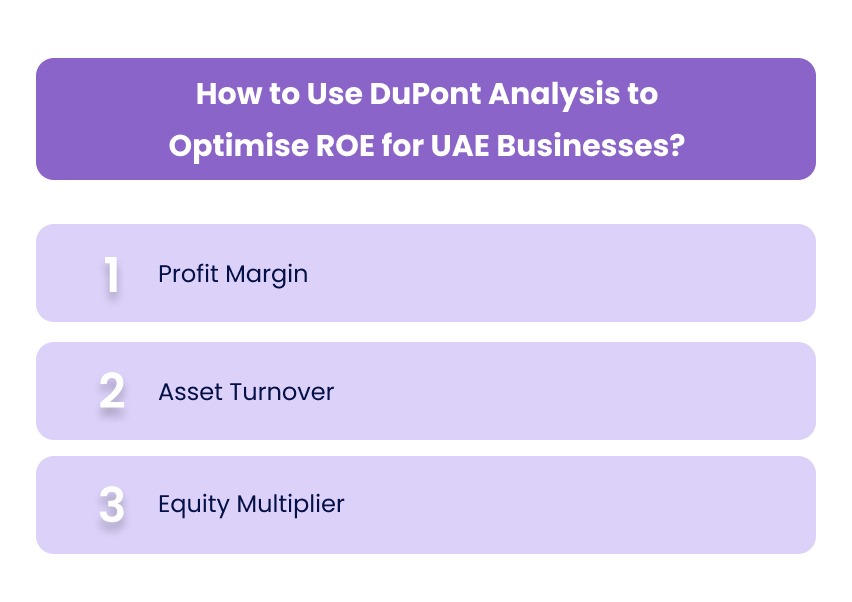
يقدّم تحليل دوبونت فهمًا أعمق بتقسيم العائد على حقوق الملكية إلى ثلاثة مكونات أساسية، هي هامش الربح ومعدل دوران الأصول ومضاعف حقوق الملكية. ويساعدك هذا النهج على تحديد مجالات التحسين بدقة، وإدارة المخاطر بفعالية أكبر، واتخاذ قرارات مالية أكثر ثقة.
وفيما يلي كيف تستخدم تحليل دوبونت لتحسين العائد على حقوق الملكية في الشركات الإماراتية:
1. هامش الربح
كثيرًا ما تتحمل شركات العقارات والتجارة الإلكترونية في الإمارات تكاليف تشغيلية مرتفعة تضغط على هوامش الربح.
كيف يساعد تحليل دوبونت؟
- يبيّن هامش الربح مدى كفاءة شركتك في تحويل الإيرادات إلى أرباح.
- بالنسبة إلى شركات التجارة الإلكترونية، قد يتطلب تحسين هوامش الربح خفض تكاليف اكتساب العملاء أو تبسيط العمليات.
- في قطاع العقارات، يمكن أن يؤدي رفع كفاءة إدارة العقارات أو الاستفادة من فرص السوق إلى تعزيز العوائد والربحية.
اطّلع على سبب عدم كفاية نمو الإيرادات وحده لضمان الهامش الذي يقيسه هذا المكوّن.
2. معدل دوران الأصول
في قطاعات مثل العقارات والخدمات اللوجستية، كثيرًا ما تواجه الشركات صعوبة في الاستفادة الكاملة من أصولها كثيفة رأس المال.
كيف يساعد تحليل دوبونت؟
- يقيس معدل دوران الأصول مدى فعالية الشركة في استخدام أصولها لتحقيق الإيرادات.
- في قطاع العقارات، قد يعني ذلك تحسين استغلال الأراضي أو رفع أداء المحفظة العقارية.
- يمكن لشركات التجارة الإلكترونية تحسين معدل دوران الأصول من خلال الأتمتة ورفع كفاءة سلسلة الإمداد للحد من الهدر.
3. مضاعف حقوق الملكية
تعتمد شركات ناشئة كثيرة في الإمارات اعتمادًا كبيرًا على الديون، وهو ما قد يرفع العائد على حقوق الملكية لكنه يزيد المخاطر المالية أيضًا.
كيف يساعد تحليل دوبونت؟
- يبيّن مضاعف حقوق الملكية حجم أصول الشركة الممولة بالديون.
- قد ترفع الرافعة المالية الأعلى العائد على حقوق الملكية، لكنها تزيد أيضًا من التعرض للمخاطر المالية.
- من خلال متابعة مضاعف حقوق الملكية، تستطيع الشركات التأكد من استخدام الديون بحكمة والحفاظ على عائد على حقوق الملكية أكثر استدامة وتوازنًا.
اطّلع على آلية عمل مكوّن الرافعة المالية هذا ومعاييره المرجعية بالتفصيل قبل افتراض أن ارتفاع المضاعف أمر إيجابي دائمًا.
وحتى مع ما يقدمه تحليل دوبونت من تفاصيل، يبقى التفسير الصحيح للعائد على حقوق الملكية أمرًا أساسيًا.
3 أخطاء شائعة في تفسير العائد على حقوق الملكية وطرق تجنبها
التفسير الدقيق للعائد على حقوق الملكية أساسي لاتخاذ قرارات مالية سليمة. غير أن بعض الأخطاء قد تشوّه الصورة، فتؤدي إلى استراتيجيات غير سليمة وتؤثر في الربحية العامة.
1. إغفال التغيرات في هيكل رأس المال
الخطأ: كثيرًا ما تغيّر الشركات الناشئة والشركات النامية في الإمارات هيكل رأس مالها بإصدار أسهم جديدة أو إدخال مستثمرين جدد.
كيف تتجنبه: عدّل العائد على حقوق الملكية بما يعكس أي تغيرات في هيكل رأس المال. فضخ حقوق ملكية جديدة قد يخفف حقوق المساهمين ويرفع العائد على حقوق الملكية بصورة مصطنعة. لذلك فسّر العائد على حقوق الملكية دائمًا مع مراعاة التغيرات في حقوق الملكية لتجنب الاستنتاجات المضللة.
2. سوء تفسير العائد على حقوق الملكية بسبب صغر قاعدة حقوق الملكية
الخطأ: قد تُظهر الشركات ذات القاعدة الصغيرة من حقوق الملكية، وهو أمر شائع في الشركات الناشئة أو الشركات ذات الرافعة المالية المرتفعة، عائدًا متضخمًا على حقوق الملكية.
كيف تتجنبه: راجع العائد على حقوق الملكية دائمًا مع مستويات حقوق الملكية. فصغر قاعدة حقوق الملكية قد يضخّم هذا العائد ويخفي مخاطر محتملة. وتحقق من نسبة حقوق الملكية إلى الديون لمعرفة ما إذا كان العائد مستدامًا أم ناتجًا عن رافعة مالية عالية المخاطر.
3. إدراج بيانات مصروفات غير خاضعة للرقابة أو غير متحقق منها في حساب العائد على حقوق الملكية
الخطأ: كثيرًا ما تعتمد حسابات العائد على حقوق الملكية على بيانات مالية تتضمن مصروفات مكررة أو مصروفات تفتقر إلى إيصالات أو تكاليف مصنفة بشكل خاطئ. وهذا قد يُظهر الربح بأقل من قيمته ويشوّه العائد الحقيقي على حقوق الملكية.
كيف تتجنبه: احرص على مراجعة جميع المصروفات وتصنيفها ضمن الحسابات المناسبة واعتمادها قبل إقفال الدفاتر، مع توثيق كامل يدعم دقتها. وتساعد عمليات التدقيق المنتظمة وضوابط المصروفات المنظمة على اكتشاف القيود المكررة أو غير الصحيحة، وتزيد موثوقية صافي الدخل المستخدم في حساب العائد على حقوق الملكية.
كيف تدعم الآن تحليلًا أدق للعائد على حقوق الملكية من خلال ضبط أفضل للإنفاق؟
تركّز كثير من الفرق المالية في الإمارات على نمو الإيرادات عندما يتراجع العائد على حقوق الملكية، لكن العائد على حقوق الملكية يتأثر أيضًا بضبط التكاليف ودقة التقارير والاطلاع على الإنفاق التشغيلي.
تدعم الآن الفرق المالية بتوفير الاطلاع الفوري على الإنفاق ومسارات موافقة منظمة والمزامنة مع الأنظمة المحاسبية، مما يساعد على أن تكون البيانات المالية المستخدمة في تحليل العائد على حقوق الملكية كاملة ودقيقة ومحدّثة.
ما تقدّمه الآن إلى جانب تتبع الإنفاق الأساسي؟
تعزز الآن الضوابط المالية وتوفر اطلاعًا أوضح على إنفاق الشركة، مما يساعد الفرق المالية على الاحتفاظ بسجلات مالية دقيقة تدعم تحليل الربحية والعائد على حقوق الملكية.
1. الاطلاع الفوري على الإنفاق
تستطيع الفرق المالية متابعة إنفاق الأقسام والإنفاق التشغيلي لحظة حدوثه، مما يحسّن فهمها لاتجاهات التكاليف ويساعدها على اكتشاف المصروفات غير المعتادة أو غير المتوقعة في وقت أبكر.
2. مسارات موافقة منظمة لضبط الإنفاق
تساعد مسارات الموافقة متعددة المستويات على مراجعة المصروفات واعتمادها قبل تكبّدها، مما يدعم الضوابط المالية الداخلية والرقابة على الموازنة.
3. جمع بيانات المصروفات تلقائيًا لتقارير دقيقة
تؤتمت الآن جمع الفواتير وتسجيل بياناتها، ومطابقة الإيصالات، واكتشاف المصروفات المكررة، مما يقلل الأخطاء اليدوية ويساعد الفرق المالية على الاحتفاظ بسجلات مالية دقيقة ومحدّثة لتحليل الربحية والعائد على حقوق الملكية.
4. التكامل مع الأنظمة المحاسبية لمتابعة مستمرة
تزامن الآن بيانات الإنفاق والموافقات والمستندات مع النظام المحاسبي لديك، حتى تبقى البيانات المالية محدّثة ويقل التأخير في تسوية الحسابات.
5. اطلاع مركزي على الإنفاق والمورّدين
تجمع الآن بيانات الإنفاق والمورّدين في منصة واحدة، مما يمنح الفرق المالية اطلاعًا أوضح على التكاليف التشغيلية ويتيح إعداد تقارير وتحليلات مالية دقيقة.
ما تقدّمه منصة الآن وما لا تقدّمه؟
منصة الآن ليست بديلًا عن برامج المحاسبة أو أدوات النمذجة المالية.
بل توفر المنصة ضوابط الإنفاق والاطلاع الفوري على الإنفاق وحوكمة منظمة تساعد على أن تكون البيانات المالية المستخدمة في تحليل الربحية والعائد على حقوق الملكية دقيقة وموثوقة.
الخلاصة
يمكن أن يوجّه العائد على حقوق الملكية قرارات رأس المال توجيهًا سليمًا، ويمكن أن يضللك إذا اكتفيت بالرقم دون تحليل. والفرق يكمن في مدى تعمقك في فهم العوامل التي تحرّك هذا الرقم.
عندما تربط العائد على حقوق الملكية بضبط الهوامش وكفاءة الأصول وهيكل رأس المال والتوقعات المستقبلية، يصبح أداة عملية لاتخاذ القرار. فهو يبيّن لك أين توظّف رأس المال، ومتى تعدّل مصادر التمويل، وأي المشاريع تحقق قيمة فعلية للمساهمين.
تساعد الآن الفرق المالية على الحفاظ على هذا الوضوح. فمن خلال الاطلاع الفوري على الإنفاق في جميع مصروفات الشركة، ومسارات الموافقة المنظمة، والمزامنة التلقائية مع الأنظمة المحاسبية، تستطيع الفرق إحكام الرقابة المالية والاعتماد على بيانات تكاليف أدق وأكثر تنظيمًا في إعداد التقارير والتحليلات المالية.
احجز عرضًا توضيحيًا مجانيًا لتتعرف على الطريقة التي تساعد بها الآن الفرق المالية على تحسين الاطلاع على الإنفاق وإحكام الرقابة المالية على إنفاق الشركة.
يبيّن العائد على حقوق الملكية مدى كفاءة استخدام حقوق الملكية، لكنه لا يبيّن ما إذا كان سيتوفر نقد في الحساب البنكي الشهر المقبل، وهنا تأتي أهمية خطوات إتقان إدارة التدفق النقدي. ويمكنك إدخال أرقامك في اختبار ضغط التدفق النقدي لمعرفة أثر ربع سنة ضعيف على المدة التي تكفيها السيولة المتاحة، وإذا كان النقد غير المستخدم يخفض العوائد، فإن حساب الأعمال القائم على الذكاء الاصطناعي يحقق أرباحًا على الأموال المودعة فيه ريثما تقرر كيفية استخدامها.
الأسئلة الشائعة
س1. ما الفرق بين العائد على حقوق الملكية (ROE) والعائد على رأس المال المستثمر (ROIC) للشركات في الإمارات؟
ج1. يبيّن العائد على حقوق الملكية مدى نجاح حقوق المساهمين في تحقيق الأرباح، في حين يأخذ العائد على رأس المال المستثمر في الاعتبار العوائد على كل من الديون وحقوق الملكية. وفي القطاعات كثيفة رأس المال في الإمارات، يعطي العائد على رأس المال المستثمر صورة أوضح عن كفاءة استخدام رأس المال، ولا سيما عندما تحمل الشركات ديونًا كبيرة.
س2. ما أبرز حدود العائد على حقوق الملكية بالنسبة إلى القادة الماليين؟
ج2. قد يبدو العائد على حقوق الملكية جيدًا في القوائم المالية بسبب ارتفاع الرافعة المالية أو إعادة تقييم الأصول أو صغر قاعدة حقوق الملكية، حتى لو كانت لدى الشركة نقاط ضعف تشغيلية. لذلك ينبغي للفرق المالية أن تراجع هذا العائد دائمًا إلى جانب نسب الرافعة المالية والتدفق النقدي ومعدل دوران الأصول للحصول على تقييم حقيقي للأداء.
س3. ماذا يعني العائد السالب على حقوق الملكية في الشركات النامية في الإمارات؟
ج3. يشير العائد السالب على حقوق الملكية عادةً إلى خسائر أو تراجع في رأس المال، وقد يعني ذلك وجود قصور تشغيلي أو توسع مفرط أو ضغوط على الأسعار. وفي القطاعات سريعة النمو مثل التجارة الإلكترونية والتكنولوجيا، قد يكون العائد سالبًا مؤقتًا خلال مرحلة التوسع، لكن استمراره مؤشر على الحاجة إلى تغييرات.
س4. ما العوامل التشغيلية التي تؤدي عادةً إلى ارتفاع العائد على حقوق الملكية؟
ج4. يرتفع العائد على حقوق الملكية عندما يزيد صافي الدخل، أو تُستخدم الأصول بفعالية أكبر، أو يُبنى هيكل رأس المال بحكمة مع رافعة مالية متوازنة. وكثيرًا ما تأتي المكاسب المستدامة من هوامش أعلى وضبط أفضل للتكاليف وتحسن معدل دوران الأصول، لا من إجراءات مالية قصيرة الأجل.
س5. كيف ينبغي للمديرين الماليين استخدام العائد على حقوق الملكية في قرارات مجلس الإدارة؟
ج5. يمكن للمديرين الماليين (CFOs) استخدام العائد على حقوق الملكية لمعرفة ما إذا كان تخصيص رأس المال يحقق أهداف العائد للمساهمين ويدعم خطط النمو. وعند الجمع بينه وبين تحليل دوبونت ونسب الرافعة المالية والتوقعات المستقبلية، يصبح أداة أقوى لتخطيط رأس المال والتواصل مع المستثمرين.
Gain control over business expenses with Alaan corporate cards
Invygo earned AED 100,000 in cashback using Alaan cards
Personalise approval workflows to align with your business needs with Alaan's Spend Management platform
Discover the power of automated expense tracking and smarter spend control with Alaan
Turn data into actionable insights with Alaan's spend management tools
Stay Tax Compliant with UAE's #1 Corporate Card and Spend Management Platform
Customisable corporate card policy template
Know how much Corporate Tax you have to pay this fiscal year
Easily integrate Alaan with your ERP for accurate, real-time expense tracking
Close books faster with Alaan's AI-powered accounting automation
Reconcile your books in minutes instead of hours, every single month.
Keep petty cash organized with Alaan corporate cards and automated expense management