.avif)

What do you think is going to be the future of finance in the Middle East in the next five to ten years? What trends do you see emerging?
In the next five to ten years, finance in the Middle East will likely become more strategic and integrated with corporate strategy. We’ll see increased adoption of technology and digital transformation, enhancing decision-making and efficiency. Routine financial functions may be outsourced to low-cost locations, allowing local teams to focus on strategic roles.
With improved compliance and governance practices, such as corporate tax, the region is set to become more transparent and attractive to international investors. Overall, the finance sector’s future looks promising as it adapts to global standards.
How have you been using AI and tech in your team?
Primarily, we have been using AI to bring more automation in finance. We deal with thousands of transactions and data points daily, and BI tools really help us make sense of it all through real-time analytics and trends.
On the accounting side, we use Microsoft Dynamics, which introduces automation in accounting tasks. It automates a lot of tedious tasks, like accounts payable, and even generates general ledger entries automatically. As a result, our team can complete the month's closing faster, saving significant time and allowing more in-depth analysis. Overall, these advancements improve efficiency and enable us to focus more on strategic tasks.
My personal favourite is using AI to review legal contracts and documentation. It has easily reduced my reviewing time by 70-80%.
Given the availability of AI now, what challenges do you think the finance function will face?
With AI becoming more integrated into finance, we're actually seeing more opportunities than challenges. However, one main challenge is ensuring our teams are upskilled to use these new tools effectively.
Adapting to AI also means shifting our mindset from traditional processes to more innovative, data-driven approaches. While some might worry about job displacement, I think it's more about evolving roles.
Service providers might also face challenges, as businesses might rely less on external consultants for things AI can handle in-house. Therefore, everyone needs to adapt and find ways to add value to this new landscape. It's key for us to stay ahead by understanding AI's capabilities and using them to help drive the business forward.
Bio
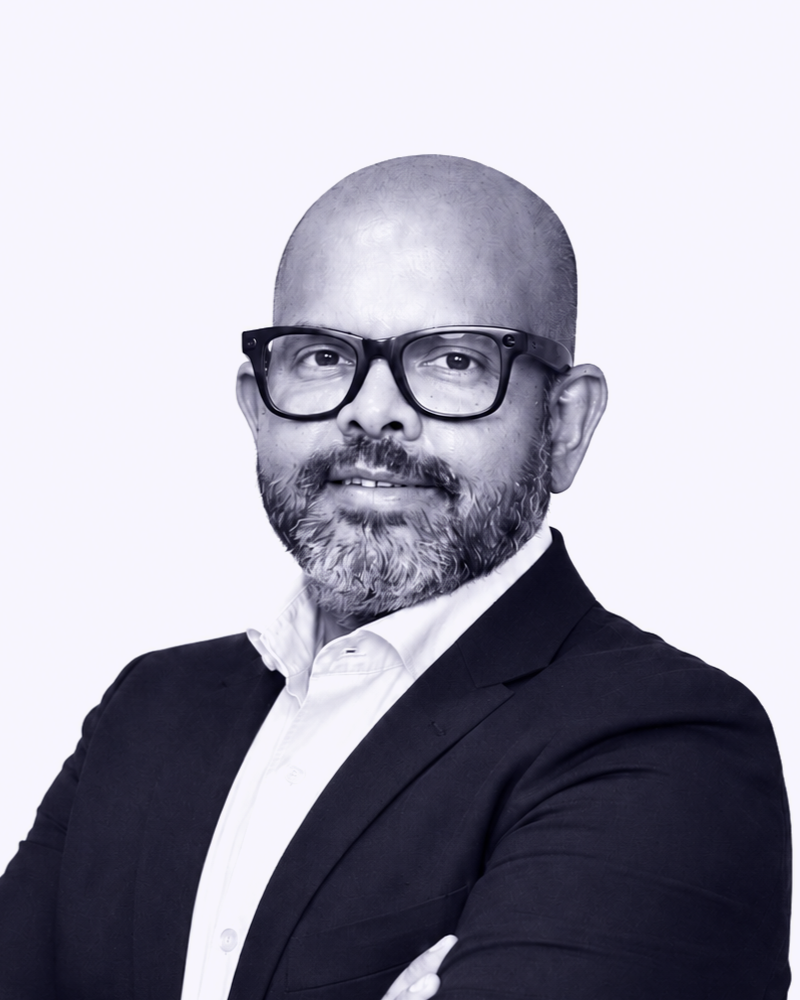
Sameer Bagul brings over 20 years of leadership experience in online travel and e-commerce, having played a central role in building and expanding Cleartrip and Traveazy across India and the Middle East.
Sameer has been instrumental in the management buyout of a Middle Eastern business from Flipkart and has extensive experience leading digital and AI-driven transformations within financial operations. Under his leadership, the Middle East business grew to over $650 million in sales by the end of 2019.
Prior to his role in Dubai as the CFO of Cleartrip, Sameer led corporate strategy, finance, accounting, business planning, and development. His expertise extends to restructuring organisations for compliance with taxation and regulatory requirements in India and the GCC markets.



.jpeg)