.avif)

دليل عملي يوضح كيف تمنح طلبات الشراء الفرق المالية وفرق المشتريات في الإمارات ضبطًا للإنفاق قبل الالتزام بأي مبلغ، ولماذا تساعد أتمتتها على الامتثال لضريبة القيمة المضافة.
- اجعل كل احتياج للشراء يمر عبر طلب شراء رسمي حتى تتم الموافقة عليه وتبريره ومطابقته مع الموازنة قبل أن يلتزم أي شخص بأموال الشركة.
- تؤدي الموافقات اليدوية عبر البريد الإلكتروني وجداول البيانات إلى إبطاء العمل ووقوع الأخطاء، بينما توفر طلبات الشراء الرقمية موافقات أسرع وسجلات جاهزة للتدقيق وبيانات فورية عن الإنفاق.
- في ظل نظام ضريبة القيمة المضافة في الإمارات، يحافظ طلب الشراء الذي يسجل رقم التسجيل الضريبي (TRN) للمورّد ومبلغ الضريبة ومراجع الموافقة على جاهزية السجلات لأي تدقيق من الهيئة الاتحادية للضرائب (FTA).
- تؤتمت الآن سلسلة الموافقات، وتربط إنفاق بطاقات الشركات بطلبات الشراء، وتتكامل مع الأنظمة المحاسبية مثل Xero وQuickBooks، فتحتفظ الفرق المالية بالضبط الكامل من تقديم الطلب حتى تسوية الحسابات.
في العام الماضي، حققت مؤسسات المشتريات الرائدة التي رقمنت مسارات عملها أداءً أعلى بنسبة %25 مقارنة بنظيراتها، وفقًا لدراسة Orchestrators of Value الصادرة عن Deloitte.
ومع ذلك، لا تزال شركات كثيرة في الإمارات والشرق الأوسط عمومًا تعتمد على الموافقات اليدوية على المشتريات، والمستندات الورقية المتفرقة، وضعف الاطلاع على الإنفاق.
ويؤدي ذلك إلى تأخر العمليات، وتجاوز الموازنة، وارتفاع مخاطر التدقيق. وهنا يصبح طلب الشراء (Purchase Requisition) عنصرًا محوريًا، إذ يحوّل الحاجة إلى شراء سلع أو خدمات إلى طلب رسمي، ويضمن توافق كل عملية شراء مع السياسة الداخلية والموازنة.
ولا يُعد فهم هذه العملية أمرًا اختياريًا لقادة الشؤون المالية والمشتريات، فهي أساس الرقابة والامتثال والكفاءة.
أبرز النقاط
- تُضفي طلبات الشراء التنظيم والرقابة على إنفاق الشركة، إذ تضمن الموافقة على كل عملية شراء وتبريرها وتوافقها مع الموازنة قبل الالتزام بها.
- تحدّ أنظمة طلبات الشراء اليدوية من الاطلاع على الإنفاق وتزيد الأخطاء، بينما توفر الأتمتة موافقات أسرع وسجلات جاهزة للتدقيق ومعلومات مالية فورية.
- أتمتة طلبات الشراء عبر منصات مثل الآن تربط بطاقات الشركات ومسارات الموافقة والأنظمة المحاسبية، فتحسّن الدقة والامتثال.
- في بيئة ضريبة القيمة المضافة في الإمارات، تضمن رقمنة عملية طلبات الشراء توثيقًا سليمًا وتسهّل إعداد تقارير متوافقة مع متطلبات الهيئة الاتحادية للضرائب.
ما هو طلب الشراء تحديدًا؟
طلب الشراء مستند داخلي يُستخدم لطلب شراء سلع أو خدمات بشكل رسمي داخل المؤسسة. وهو عادةً الخطوة الأولى في عملية المشتريات، ويُعدّه الموظف أو القسم الذي يحدد احتياجًا للعمل.
وقبل الالتزام بأي عملية شراء مع جهة خارجية، يجب أن يراجع أصحاب الصلاحية طلب الشراء ويوافقوا عليه، وغالبًا ما يكونون رئيس القسم والمدير المالي وفريق المشتريات.
ولطلب الشراء غرضان: ضمان الرقابة المالية والحفاظ على الامتثال. فعندما تمر جميع طلبات الشراء عبر مسار عمل منظم، تستطيع المؤسسات منع الإنفاق غير المصرّح به، وتجنب تجاوز الموازنة، والحفاظ على الشفافية لأغراض التدقيق وإقرارات ضريبة القيمة المضافة.
وفي الإمارات، حيث يجب على الشركات الالتزام بمعايير التوثيق الصادرة عن الهيئة الاتحادية للضرائب (FTA)، تساعد هذه العملية أيضًا على ضمان سجلات مالية دقيقة يمكن تتبعها.
ويتضمن نموذج طلب الشراء المعتاد بيانات أساسية، منها:
- اسم مقدم الطلب وقسمه
- وصف الأصناف المطلوبة وكمياتها
- التكلفة التقديرية ومركز التكلفة أو رمز الموازنة
- المورّد المفضل أو مبرر اختياره
- المستندات الداعمة (مثل عروض الأسعار أو المواصفات)
- توقيعات الموافقة وتاريخ التقديم
وبعد الموافقة، ينتقل طلب الشراء إلى المرحلة التالية في دورة من الشراء إلى الدفع (P2P)، ليصبح أساسًا لإصدار أمر الشراء.
وللاطلاع على شرح تفصيلي لهذه العملية من بدايتها إلى نهايتها، اقرأ مقال «أنظمة من الشراء إلى الدفع وخطواتها».
[cta-4]
الأنواع الشائعة لطلبات الشراء في الشركات النامية
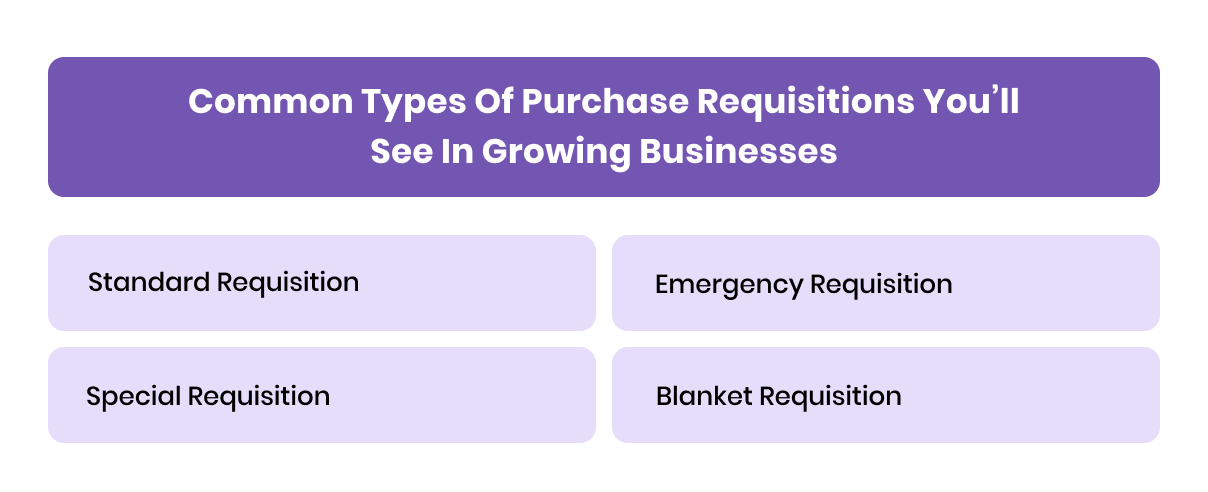
لا تخضع جميع المشتريات للإجراءات نفسها أو لدرجة الاستعجال نفسها. فبحسب طبيعة الطلب، تستخدم المؤسسات أنواعًا مختلفة من طلبات الشراء للحفاظ على الرقابة والكفاءة.
ويساعد فهم هذه الأنواع الفرق المالية وفرق المشتريات على توحيد إجراءات الموافقة وتقليل الأخطاء.
1. طلب الشراء القياسي
يُستخدم للمشتريات المعتادة مثل القرطاسية وتجديد اشتراكات البرمجيات وخدمات الصيانة الدورية. وتخضع هذه الطلبات لقواعد موافقة محددة مسبقًا، وتكون مخاطرها منخفضة عادةً.
2. طلب الشراء الخاص
يُقدَّم لأصناف غير معتادة أو خاصة بمشروع معين تقع خارج المشتريات المعتادة. وغالبًا ما يتطلب تحققًا إضافيًا أو موافقات على الموازنة، لأنه قد لا تكون لهذه الأصناف عقود موردين أو أسعار محددة مسبقًا.
3. طلب الشراء العاجل
يُعدّ عند الحاجة إلى إجراء فوري، مثل استبدال معدات تالفة ضرورية لاستمرار العمليات أو تلبية متطلبات عاجلة لأحد العملاء. وعادةً ما تُسرَّع إجراءات طلبات الشراء العاجلة، لكن يجب توثيقها لمراجعتها بعد الموافقة لضمان الامتثال.
4. طلب الشراء الشامل
يُستخدم للمشتريات المتكررة خلال فترة محددة، مثل تجديد المخزون شهريًا أو مدفوعات الخدمات الدورية. ويغني طلب شراء شامل واحد عن تكرار الموافقات والمستندات للطلبات المتشابهة.
ولكل نوع غرض رقابي محدد. فطلبات الشراء القياسية والشاملة تُبسّط مسارات العمل المعتادة، بينما تحقق طلبات الشراء الخاصة والعاجلة التوازن بين المرونة والإشراف.
ويضمن وضع سياسات واضحة لكل نوع الاتساق والمساءلة والالتزام بالضوابط الداخلية.
لماذا تُعد طلبات الشراء الخطوة الأولى نحو إنفاق أكثر انضباطًا؟
تعتمد الفرق المالية على عملية طلبات شراء مُحكمة الإدارة لإبقاء الإنفاق منضبطًا ومتوافقًا مع المتطلبات ويمكن التنبؤ به. وبالنسبة إلى المؤسسات النامية في الإمارات، تُرسّخ هذه العملية الانضباط في كل قرار شراء.
1. الرقابة المالية والتوافق مع الموازنة
يمثل كل طلب شراء نقطة تحقق قبل الالتزام بالأموال. وتضمن الموافقات أن تبقى المشتريات ضمن الموازنات وحدود الأقسام، مما يساعد القادة الماليين على الاطلاع على المصروفات المقبلة.
2. الشفافية والمساءلة
بفضل سجلات الموافقة الواضحة، تستطيع المؤسسات تتبع كل عملية شراء من تقديم الطلب حتى الدفع. وتُبسّط هذه الشفافية عمليات التدقيق وتدعم الامتثال لضريبة القيمة المضافة وفق قواعد الهيئة الاتحادية للضرائب في الإمارات.
3. منع الاحتيال وإدارة المخاطر
تقلل سلاسل الموافقة المنظمة الإنفاق غير المصرّح به وتكشف المعاملات غير الاعتيادية مبكرًا. وتوفر طلبات الشراء ضمانة داخلية ضد إساءة استخدام أموال الشركة.
4. الكفاءة التشغيلية والمعلومات التحليلية
تمنح مركزية الطلبات فرق المشتريات صورة كاملة عن احتياجات الإنفاق. ومع مرور الوقت، تكشف بيانات طلبات الشراء أنماط التكاليف، مما يتيح توقعات أدق وتفاوضًا أفضل مع الموردين.
تعرّف على كيف تتيح منصة الآن هذا الاطلاع من خلال حلّنا المركزي لإدارة الإنفاق المخصص لمديري المشتريات.
عملية طلب الشراء: مسار العمل خطوة بخطوة
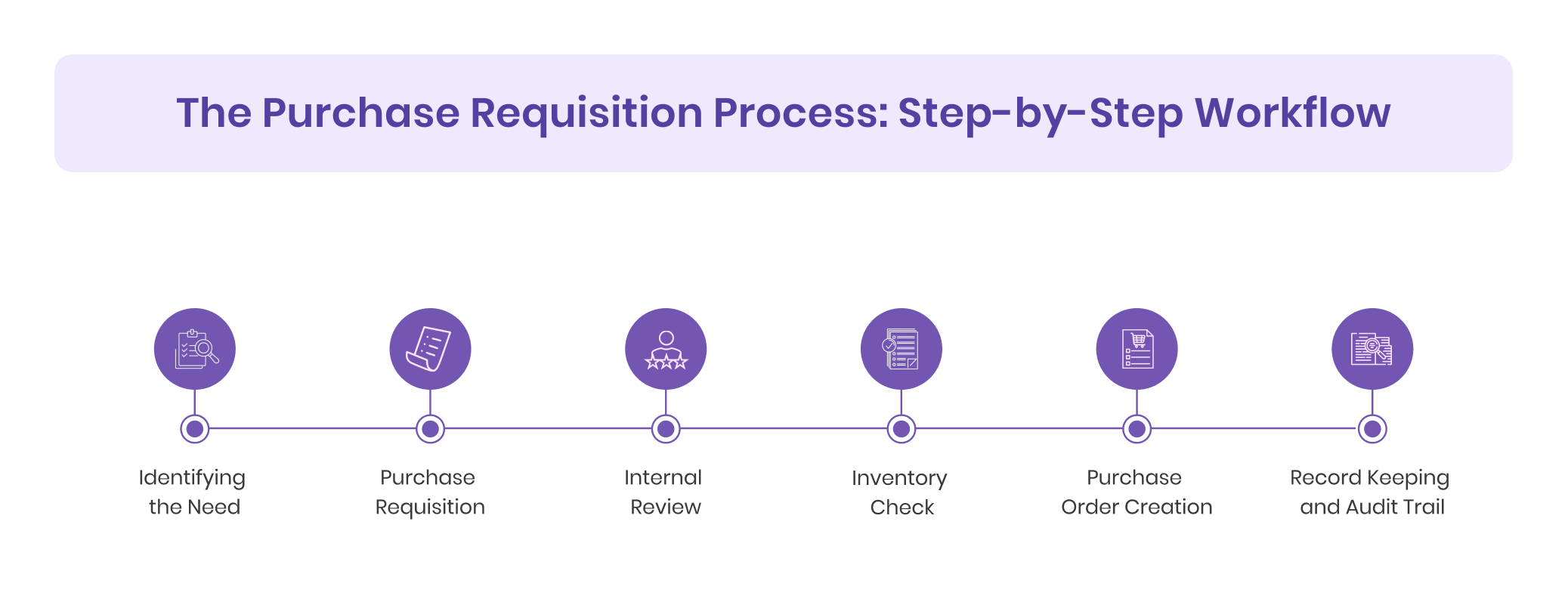
تضمن عملية طلب الشراء مراجعة كل طلب لشراء سلع أو خدمات وتبريره والتأكد من توافقه مع السياسات المالية للمؤسسة قبل أي التزام. وفي الشركات التي تتمتع بحوكمة جيدة، تشكل هذه العملية أساس إدارة المشتريات وإدارة الإنفاق بكفاءة.
فيما يلي عرض للمراحل التي يمر بها طلب الشراء عادةً، من تحديد الاحتياج حتى الموافقة:
الخطوة 1: تحديد الاحتياج
تبدأ العملية عندما يحدد موظف أو قسم احتياجًا معينًا، مثل معدات أو برمجيات أو خدمات.
وفي هذه المرحلة، قد تُجري الفرق بحثًا أوليًا لمعرفة الموردين المحتملين والتكاليف التقديرية ومواعيد التسليم. والهدف هو تحديد الاحتياج بوضوح قبل تقديم الطلب.
الخطوة 2: إعداد طلب الشراء وتقديمه
بعد التحقق من الاحتياج، يملأ مقدم الطلب نموذج طلب الشراء، الذي يتضمن بيانات مثل وصف الصنف والكمية والتكلفة التقديرية ومركز التكلفة والمورّد المفضل ومبرر الطلب. وتُرفق المستندات الداعمة، مثل عروض الأسعار أو المواصفات، لضمان الشفافية.
وعند اكتمال النموذج، يُقدَّم إلكترونيًا أو يدويًا إلى المسؤول المختص بالموافقة، بحسب ما إذا كانت المؤسسة تعتمد عملية مؤتمتة أو يدوية.
الخطوة 3: المراجعة الداخلية والموافقة
بعد التقديم، يمر طلب الشراء بسلسلة من المراجعات والموافقات، وعادةً ما تكون كالتالي:
- المدير المباشر أو رئيس القسم يراجع مدى الحاجة إلى الشراء وتوافقه مع الموازنة.
- الفريق المالي يتحقق من رمز الموازنة ويتأكد من توفر الأموال.
- فريق المشتريات يتحقق من أهلية المورّد والأسعار والامتثال للسياسة.
وفي كثير من المؤسسات في الإمارات، تعتمد مستويات الموافقة على حد الإنفاق. فعلى سبيل المثال، قد تتطلب المشتريات التي تقل قيمتها عن 5,000 درهم إماراتي موافقة واحدة، بينما قد تتطلب الطلبات الأعلى قيمة موافقات متعددة المستويات من قيادات الشؤون المالية والمشتريات.
الخطوة 4: التحقق من المخزون
قبل المتابعة، تُجرى مراجعة للمخزون لمعرفة ما إذا كانت الأصناف المطلوبة متوفرة بالفعل.
وتمنع هذه الخطوة تكرار الشراء وتضمن الاستخدام الفعّال للموارد المتاحة، وهي ممارسة بالغة الأهمية في القطاعات الحساسة للتكاليف مثل الخدمات اللوجستية وتجارة التجزئة.
الخطوة 5: إصدار أمر الشراء
بعد الموافقة على طلب الشراء، يحوّله فريق المشتريات إلى أمر شراء (PO). وأمر الشراء مستند رسمي ملزم يُرسل إلى المورّد، ويحدد الكميات والأسعار وشروط التسليم المتفق عليها.
وتمثل هذه الخطوة الانتقال من الموافقة الداخلية إلى الالتزام الخارجي في دورة من الشراء إلى الدفع (P2P).
الخطوة 6: حفظ السجلات ومسار التدقيق
يجب أرشفة كل طلب شراء وأمر شراء معتمد لأغراض المحاسبة والتدقيق. وفي الإمارات، يدعم الاحتفاظ بهذه السجلات توثيق ضريبة القيمة المضافة والامتثال لها وفق متطلبات الهيئة الاتحادية للضرائب. وتساعد رقمنة هذه الخطوة المؤسسات على ضمان الدقة وتقليل الوقت اللازم للاستعداد للتدقيق.
تحقق عملية طلبات الشراء الفعّالة التوازن بين الرقابة والسرعة. فهي تفرض الانضباط والمساءلة، بينما يمكن للأتمتة أن تضمن سير الموافقات بسرعة دون اختناقات يدوية، وهو ما نتناوله في الأقسام التالية.
لا ينبغي أن تُبطئ إدارة الموافقات أعمالك.
تساعد الآن الفرق المالية في الإمارات على تبسيط طلبات الشراء من خلال الموافقات الفورية وبطاقات الشركات الذكية والاطلاع المركزي على الإنفاق.
[cta-3]
أين تتعثر طلبات الشراء اليدوية، وما تكلفة ذلك على أعمالك؟
لا تزال مؤسسات كثيرة في الإمارات تعتمد على أنظمة يدوية لطلبات الشراء، مثل جداول البيانات أو البريد الإلكتروني أو النماذج الورقية. ورغم بساطة هذه الأساليب في البداية، فإنها سرعان ما تؤدي إلى ضعف الكفاءة والتأخير ومخاطر عدم الامتثال مع نمو الشركة.
فيما يلي أبرز التحديات التي تواجهها الشركات عند إدارة طلبات الشراء يدويًا:
1. موافقات تستغرق وقتًا طويلًا
- غالبًا ما تمر الموافقات المتعددة عبر سلاسل من رسائل البريد الإلكتروني أو التوقيعات الورقية.
- يؤدي ذلك إلى إبطاء المشتريات وتأخير المشتريات العاجلة وتعطيل العمليات.
- تقضي الفرق المالية ساعات في متابعة الموافقات بدلًا من التركيز على التحليل والرقابة.
2. محدودية الاطلاع والتتبع
- لا توجد لوحة تحكم مركزية لعرض حالة الطلبات أو مراحل الموافقة.
- لا يعرف مقدمو الطلبات المرحلة التي وصلت إليها طلباتهم.
- يفتقر القادة الماليون إلى بيانات فورية عن المصروفات المعلقة والمعتمدة، مما يؤثر في متابعة الموازنة.
3. بيانات عرضة للأخطاء وغير متسقة
- يزيد الإدخال اليدوي للبيانات من خطر الأخطاء في رموز التكلفة أو أسماء الموردين أو المبالغ.
- تُسبب الأخطاء مشكلات في تسوية الحسابات وتُعقّد إعداد إقرارات ضريبة القيمة المضافة.
- في الإمارات، قد تثير السجلات غير الدقيقة ملاحظات خلال عمليات التدقيق التي تجريها الهيئة الاتحادية للضرائب (FTA).
4. مخاطر الامتثال والتدقيق
- يشيع غياب الموافقات أو نقص المستندات.
- تُصعّب السجلات اليدوية إثبات الالتزام بالسياسات الداخلية أو متطلبات التدقيق.
- يصبح الاستعداد للتدقيق ردّ فعل لاحقًا بدلًا من أن يكون جاهزية مستمرة.
5. ضعف التواصل
- يعمل مقدمو الطلبات والمسؤولون عن الموافقة والفرق المالية بمعزل عن بعضهم.
- يحدث التأخير والارتباك عندما يضطر المعنيون إلى المتابعة مرارًا للاستفسار عن حالة الطلبات.
- يؤدي انقطاع التواصل إلى تكرار الطلبات أو تفويت فرص مع الموردين.
تقلل الأنظمة اليدوية الاطلاع على الإنفاق، وتُبطئ الموافقات، وتزيد مخاطر عدم الامتثال. ورغم أنها قد تبدو قابلة للإدارة في البداية، فإن تكلفة هذا الضعف في الكفاءة قد ترتفع مع نمو الشركة.
ولمعرفة كيف يمكن للأتمتة أن تُحدث تحولًا في المشتريات من بدايتها إلى نهايتها، اطلع على دليل «أتمتة عمليات المشتريات ومسارات عملها».
هل ما زلت تدير موافقات الشراء عبر البريد الإلكتروني أو جداول البيانات؟
تساعد الآن الفرق المالية على أتمتة طلبات الشراء، وتسريع الموافقات، والاطلاع الفوري على الإنفاق في جميع الأقسام.
اكتشف كيف تؤتمت منصة الآن موافقات الشراء
أتمتة عملية طلبات الشراء
تساعد أتمتة طلبات الشراء المؤسسات على الاستغناء عن المستندات الورقية والموافقات عبر البريد الإلكتروني واعتماد مسار عمل أسرع وأكثر شفافية. إذ تنتقل الطلبات رقميًا عبر مسارات موافقة محددة مسبقًا، مما يقلل وقت الإنجاز ويحدّ من الأخطاء البشرية.
تحقق الأتمتة خمس مزايا رئيسية:
- السرعة والدقة: تصل الطلبات إلى المسؤولين عن الموافقة فورًا، ويمنع التحقق من البيانات نقص التفاصيل أو عدم صحتها.
- الاطلاع والرقابة: توفر لوحة تحكم مركزية معلومات فورية عن الطلبات والموافقات والإنفاق في جميع الأقسام.
- الامتثال والجاهزية للتدقيق: يُسجَّل كل طلب شراء مع مسار تدقيق رقمي وتوثيق متوافق مع متطلبات ضريبة القيمة المضافة، بما يدعم متطلبات الهيئة الاتحادية للضرائب في الإمارات.
- تحسين التكاليف: تقضي الأتمتة على تكرار المشتريات وتساعد الفرق المالية على رصد اتجاهات الإنفاق لإعداد موازنات أدق.
- التكامل: يضمن الربط السلس مع أنظمة مثل Xero وQuickBooks وOracle NetSuite وMicrosoft Dynamics سجلات دقيقة ومحدّثة.
تساعد الآن المؤسسات على أتمتة الموافقات، وربط مصروفات بطاقات الشركات بطلبات الشراء، ودمج المعاملات مع البرامج المحاسبية.
ويتيح ذلك للقادة الماليين الاطلاع الكامل على كل عملية شراء والتحكم فيها، من تقديم الطلب حتى تسوية الحسابات.
وأتمتة طلبات الشراء ليست سوى جزء من تحول رقمي أشمل في المشتريات. ولمعرفة كيف يمكن للتقنية تحسين كل خطوة، اقرأ مقال «حلول برامج أتمتة المشتريات».
بناء نظام مؤتمت لطلبات الشراء يواكب نمو أعمالك

لا يقتصر اعتماد الأتمتة على استبدال النماذج الورقية بالبرمجيات، بل يتطلب تصميم عملية تنسّق بين الأشخاص والسياسات والتقنية. وتساعد أفضل الممارسات التالية المؤسسات في الإمارات على تطبيق طلبات الشراء المؤتمتة بفعالية:
1. وضع مستويات موافقة واضحة
حدد مستويات الموافقة وحدود الإنفاق قبل بدء الأتمتة. فالمستويات الواضحة تمنع الاختناقات وتضمن المساءلة في كل مستوى.
2. توحيد النماذج وحقول البيانات
استخدم نماذج موحدة لطلبات الشراء تتضمن حقولًا إلزامية لوصف الأصناف ورموز التكلفة والمبررات. فهذا يضمن الاتساق ويحسّن دقة البيانات في جميع الأقسام.
3. التكامل مع الأنظمة المالية وأنظمة تخطيط موارد المؤسسة (ERP)
تحقق الأتمتة أكبر قيمة عندما ترتبط بالأنظمة المحاسبية مثل Xero أو QuickBooks أو Oracle NetSuite أو Microsoft Dynamics. فالتكامل يتيح تحديث البيانات فورًا ويُبسّط تسوية الحسابات.
4. تطبيق ضوابط الوصول حسب الأدوار
اقصر صلاحيات الوصول إلى النظام على ما تتطلبه الوظيفة. فهذا يعزز الأمان ويضمن ألا يتمكن من الموافقة على طلبات الشراء أو تعديلها إلا المستخدمون المصرّح لهم.
5. تدريب الموظفين ومتابعة الاستخدام
قدّم تدريبًا منظمًا للفرق التي تُعدّ طلبات الشراء وتوافق عليها. وتابع معدلات الاستخدام وحسّن مسار العمل باستمرار بناءً على الملاحظات.
تمكّن الآن المؤسسات من بناء مستويات الموافقة، وأتمتة التحقق من الالتزام بالسياسات، والتكامل المباشر مع أنظمتها المحاسبية، مما يساعد الفرق المالية على تحقيق الرقابة والسرعة دون تعقيد.
بسّط مسار عمل طلبات الشراء مع الآن.
تربط منصتنا إنفاق بطاقات الشركات والموافقات المدعومة بالذكاء الاصطناعي والتكامل مع الأنظمة المحاسبية، فتمنح القادة الماليين تحكمًا فوريًا ودقة عالية.
تعرّف على إدارة المصروفات المدعومة بالذكاء الاصطناعي من الآن
طلب الشراء وأمر الشراء: ما الفرق بينهما؟
رغم أن المصطلحين يُستخدمان كثيرًا بالتبادل، فإن طلب الشراء وأمر الشراء يؤديان غرضين مختلفين تمامًا في دورة المشتريات. ويساعد فهم الفرق بينهما الفرق المالية وفرق المشتريات على الحفاظ على ضوابط مالية واضحة وتجنب الالتباس في الموافقات.
| وجه المقارنة | طلب الشراء | أمر الشراء |
|---|---|---|
| الغرض | طلب داخلي لشراء سلع أو خدمات | تأكيد رسمي للشراء يُرسل إلى المورّد |
| الجهة التي تُعدّه | الموظف أو القسم الذي يحدد الاحتياج | فريق المشتريات أو الفريق المالي بعد الموافقة |
| الطبيعة | مستند داخلي غير ملزم | مستند خارجي ملزم قانونًا |
| مرحلة الموافقة | قبل موافقة المشتريات | بعد الموافقة الداخلية واختيار المورّد |
| الوظيفة | طلب الإذن الداخلي | تأكيد الشراء مع المورّد |
| مثال | «طلب أجهزة حاسوب محمولة للموظفين الجدد». | «اعتماد شراء 10 أجهزة حاسوب محمولة من المورّد (أ)». |
متى يُستخدم كل منهما؟
- طلب الشراء: في بداية العملية، لتبرير عملية الشراء وطلب الموافقة عليها.
- أمر الشراء: بعد الموافقة، لتأكيد المعاملة رسميًا مع المورّد.
ويُنشئ المستندان معًا مسار تدقيق كاملًا يضمن الشفافية والرقابة والمساءلة في دورة من الشراء إلى الدفع (P2P) بأكملها.
ويضمن فهم توقيت الانتقال من طلب الشراء إلى أمر الشراء الرقابة والمساءلة في كل مرحلة من مراحل المشتريات.
تعرّف على كيفية أتمتة هذه الخطوة التالية بفعالية في دليل «تطبيق أوامر الشراء المؤتمتة».
طلبات الشراء والامتثال لضريبة القيمة المضافة في الإمارات
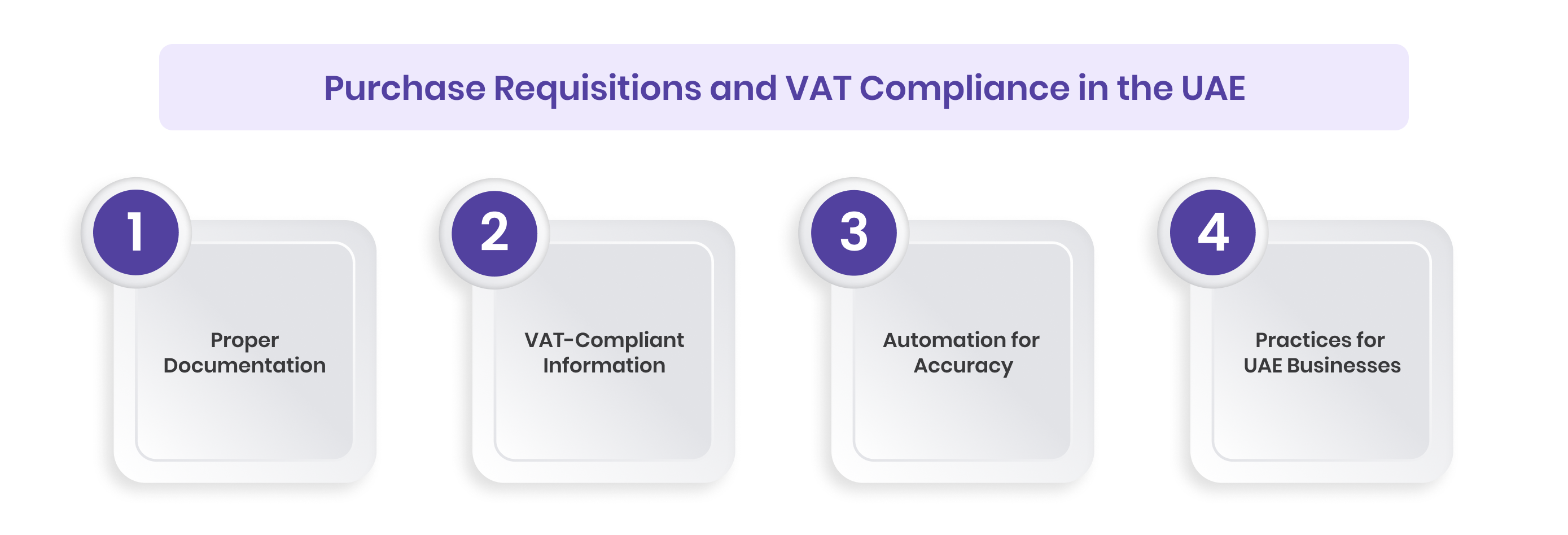
في الإمارات، يجب على كل شركة مسجلة لدى الهيئة الاتحادية للضرائب (FTA) الاحتفاظ بمستندات سليمة للمشتريات الخاضعة للضريبة لدعم مطالبات استرداد ضريبة المدخلات.
وتؤدي عملية طلبات الشراء المنظمة دورًا أساسيًا في ضمان دقة هذه السجلات وامتثالها وجاهزيتها للتدقيق.
1. أهمية التوثيق السليم
يعتمد استرداد ضريبة القيمة المضافة في الإمارات على توفر مستندات كاملة يمكن التحقق منها لكل عملية شراء. وعندما ترتبط طلبات الشراء بالفواتير والموافقات الداعمة، تستطيع الشركات بسهولة إثبات مشروعية المصروفات خلال عمليات التدقيق.
2. تسجيل البيانات المطلوبة لضريبة القيمة المضافة
ينبغي أن يتضمن سجل طلب الشراء:
- رقم التسجيل الضريبي (TRN) للمورّد
- مبلغ الفاتورة ونسبة ضريبة القيمة المضافة المطبقة
- وصف السلع أو الخدمات
- مراجع الموافقة والمستندات الداعمة
ويضمن ذلك توافق كل طلب شراء مع السجلات الضريبية التي تشترطها الهيئة.
3. الأتمتة لضمان الدقة
تؤتمت الآن التحقق من ضريبة القيمة المضافة بمطابقة بيانات الإيصالات مع تفاصيل المعاملات. إذ يستخرج الذكاء الاصطناعي في المنصة حقول ضريبة القيمة المضافة، ويتحقق من أرقام التسجيل الضريبي، ويرصد الفواتير غير المتوافقة.
ويساعد ذلك الفرق المالية على المطالبة بكل مبلغ مؤهل لاسترداد ضريبة القيمة المضافة مع تجنب الأخطاء الشائعة في الإقرارات.
4. أفضل الممارسات للشركات في الإمارات
- اجمع سجلات طلبات الشراء والفواتير في نظام واحد.
- أتمت التحقق من ضريبة القيمة المضافة لتقليل التحقق اليدوي.
- طابق طلبات الشراء المعتمدة مع القيود المحاسبية بانتظام.
تضمن أتمتة الامتثال لضريبة القيمة المضافة عبر طلبات الشراء الجاهزية للتدقيق، وتقلل خطر الغرامات الإدارية، وتحسّن الدقة المالية عمومًا، مما يمنح القادة الماليين الثقة في تقاريرهم.
[cta-6]
خلاصة القول
تبدأ كفاءة المشتريات قبل وقت طويل من إرسال أمر الشراء إلى المورّد. فهي تبدأ بعملية طلبات شراء منضبطة توفر الاطلاع والمساءلة والرقابة المالية في جميع الأقسام.
وبالنسبة إلى المؤسسات في الإمارات، حيث يُعد الامتثال والجاهزية للتدقيق جزءًا لا يتجزأ من العمليات، لم تعد أتمتة هذه العملية خيارًا، بل أصبحت ميزة تنافسية.
تساعد الآن الفرق المالية على تحديث مسارات عمل المشتريات. إذ تتيح منصتها لإدارة المصروفات المدعومة بالذكاء الاصطناعي للشركات إعداد طلبات الشراء والموافقة عليها وتتبعها فورًا، مع ضمان الامتثال لضريبة القيمة المضافة والتكامل الدقيق مع الأنظمة المحاسبية. والنتيجة قرارات أسرع، وتوثيق خالٍ من الأخطاء، واطلاع كامل على كل درهم يُنفق.
إذا كانت مؤسستك مستعدة لتبسيط المشتريات وتقليل الجهد اليدوي وتعزيز الامتثال، فتعرّف على كيف يمكن لمنصة الآن مساعدتك في رقمنة عملية إدارة الإنفاق بالكامل.
طلبات الشراء هي الخطوة الأولى، ولا تحقق الموافقات فائدتها إلا إذا كانت خطوتا الفاتورة والدفع اللاحقتان سليمتين أيضًا. ويتتبع دليل «كيف تعمل أتمتة الذمم الدائنة» عملية الشراء نفسها من استلام الفاتورة وتسجيل بياناتها حتى الدفع، بما في ذلك ما لا تعالجه الأتمتة.
الأسئلة الشائعة
1. ما الفرق بين الطلب المبدئي للشراء وطلب الشراء الرسمي؟
الطلب المبدئي للشراء (Purchase Request) طلب غير رسمي لشراء شيء ما. أما طلب الشراء الرسمي (Purchase Requisition) فهو مستند رسمي يُستخدم للحصول على الموافقة قبل الشراء، ويضمن الرقابة والتوافق مع الموازنة والامتثال داخل المؤسسة.
2. من يوافق على طلب الشراء؟
عادةً ما يوافق على طلبات الشراء رؤساء الأقسام أو المديرون الماليون أو قادة المشتريات. وغالبًا ما يعتمد عدد الموافقات المطلوبة على قيمة الشراء وسياسة الموافقة الداخلية في المؤسسة.
3. كيف يمكن للشركات الصغيرة البدء في استخدام طلبات الشراء؟
يمكن للشركات الصغيرة البدء بنماذج رقمية بسيطة لتسجيل بيانات الشراء والموافقات. ومع نموها، يساعدها استخدام منصة مؤتمتة على إدارة الطلبات وضبط الإنفاق والحفاظ على الامتثال بكفاءة.
4. ما الأخطاء الشائعة في طلبات الشراء؟
تشمل الأخطاء الشائعة غياب الموافقات، ونقص البيانات في النماذج، وعدم تطابق بيانات المورّد. وقد تؤخر هذه الأخطاء المشتريات وتسبب مشكلات في الامتثال، لا سيما في ظل متطلبات توثيق ضريبة القيمة المضافة في الإمارات.
5. كيف تساعد الأتمتة في تدقيق طلبات الشراء؟
تحتفظ الأتمتة بسجل رقمي كامل لجميع طلبات الشراء والموافقات. ويجعل ذلك عمليات التدقيق أسرع، ويضمن دقة السجلات، ويساعد الشركات على استيفاء معايير الامتثال لدى الهيئة الاتحادية للضرائب (FTA) في الإمارات.
Gain control over business expenses with Alaan corporate cards
Invygo earned AED 100,000 in cashback using Alaan cards
Personalise approval workflows to align with your business needs with Alaan's Spend Management platform
Discover the power of automated expense tracking and smarter spend control with Alaan
Turn data into actionable insights with Alaan's spend management tools
Stay Tax Compliant with UAE's #1 Corporate Card and Spend Management Platform
Customisable corporate card policy template
Know how much Corporate Tax you have to pay this fiscal year
Easily integrate Alaan with your ERP for accurate, real-time expense tracking
Close books faster with Alaan's AI-powered accounting automation
Reconcile your books in minutes instead of hours, every single month.
Keep petty cash organized with Alaan corporate cards and automated expense management