.avif)

A guide to what a trade licence in Dubai is, the different types, and how much each costs across mainland and free zone setups.
- A trade licence is the legal permit that lets you operate a business in Dubai and keeps you compliant with local regulations.
- Costs swing widely by type and location, from AED 1,070 for an E-Trader licence to AED 25,000 and up for an industrial one.
- Free zones bring lower fees, tax exemptions, and 100% foreign ownership, but they restrict direct trade with the local market unless you partner with a local distributor.
- Beyond the licence itself, you need to budget for visas (roughly AED 3,000 to AED 6,000 per person), office space, and any extra government approvals.
- Licences renew every year at around AED 8,000 to AED 15,000, and letting one lapse can bring fines or a suspension of operations.
Obtaining a trade licence is a crucial first step when starting a business in Dubai.
This legal requirement ensures compliance with local regulations and establishes your company's credibility in the market. Understanding the costs associated with a trade licence is essential for effective financial planning.
This guide will break down the different types of trade licences, the factors that influence their cost, and the steps to secure your licence. From commercial to professional to industrial businesses, this information will help you make informed decisions and plan your setup effectively.
Key Takeaways
- A trade licence is required to legally operate a business in Dubai and ensures compliance with local regulations.
- Costs vary based on licence type, location (mainland vs free zone), and business activity, ranging from AED 1,070 for an E-Trader licence to AED 25,000+ for industrial licences.
- Free zones offer lower costs, tax exemptions, and 100% foreign ownership but restrict local market access unless partnered with a local distributor.
- Visa and office space costs impact overall expenses, with options like virtual offices in free zones helping to reduce costs.
- Instant licences and online applications streamline the setup process, saving both time and money.
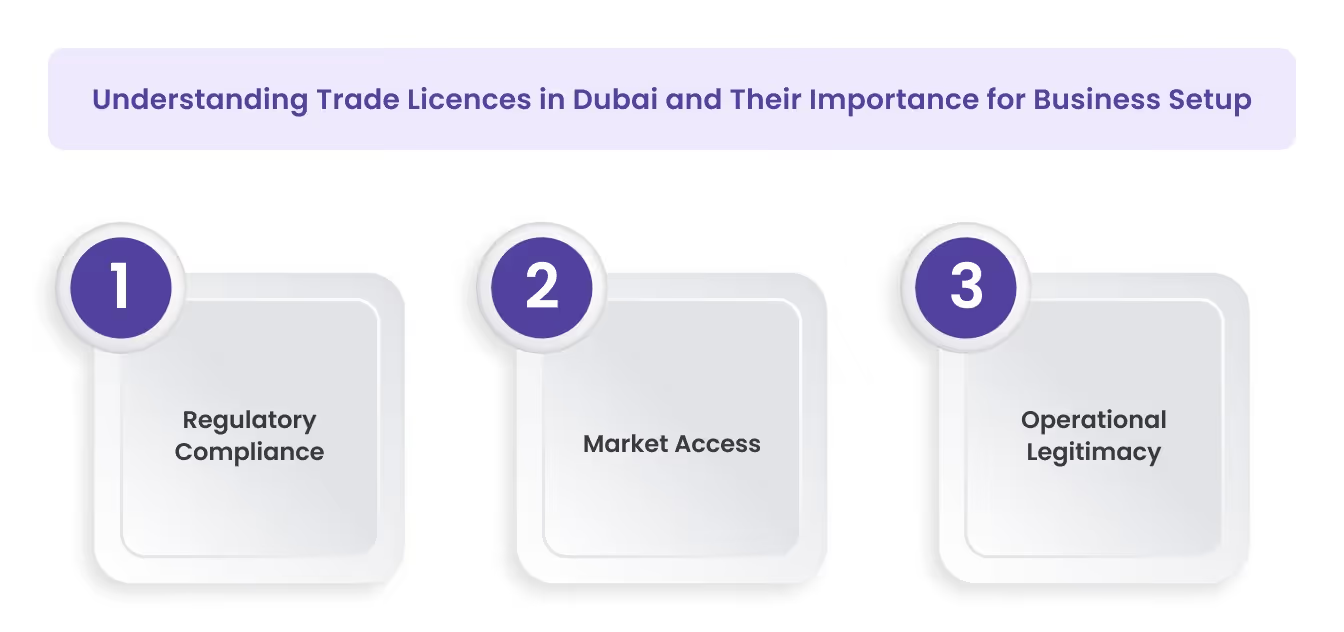
Understanding Trade Licences in Dubai and Their Importance for Business Setup
A trade licence is a legal requirement for businesses operating in Dubai. It grants the authority to carry out specific business activities and ensures compliance with local regulations, establishing your company’s legitimacy in the market. Without this licence, companies cannot legally operate within the emirate.
Why It’s Critical?
Obtaining a trade licence is essential for businesses in Dubai, as it is the foundation for operational legitimacy. Here’s why it’s crucial:
- Regulatory Compliance: A trade licence ensures adherence to Dubai’s commercial, industrial, and professional activity guidelines.
- Market Access: It enables businesses to access commercial markets, engage in contracts, and build relationships with customers and suppliers.
- Operational Legitimacy: With a valid trade licence, businesses establish trust with clients, partners, and investors, all of which are critical for growth.
What Does a Trade Licence in Dubai Cost?
The cost of a trade licence in Dubai depends on several factors, including the type of business you plan to set up, your location (mainland or free zone), and any additional requirements for your business activity. Understanding these costs is crucial for proper financial planning, as they can vary significantly depending on the nature of your business.
Below, we break down the typical costs for the most common trade licences in Dubai.
Cost for Different Licence Types
1. Commercial licence
- Mainland: AED 12,500 - AED 15,000
- Free Zones: AED 10,000 - AED 14,000
A commercial licence is required for businesses involved in buying, selling, and trading goods. Costs can vary based on the scale of your operations and the goods you wish to trade. Businesses in free zones may benefit from lower costs but may face restrictions in trading directly with the local market.
2. Professional licence
- Mainland: AED 9,500 - AED 12,500
- Free Zones: AED 8,000 - AED 12,000
Issued for service-based businesses, including consultancy, IT services, and other professional services, the professional licence typically has lower fees compared to commercial licences. Free zone options tend to be slightly cheaper due to the minimal office requirements and streamlined processes.
3. Industrial licence
- Mainland: AED 25,000+
- Free Zones: Lower than mainland costs
An industrial licence is required for businesses involved in manufacturing or industrial production. These businesses need additional facilities like factories or warehouses, driving up the cost of the licence. Costs are typically higher in mainland Dubai due to the need for physical infrastructure, while free zones often provide more affordable options with flexible office setups.
4. E-Trader licence
Cost: AED 1,070 (for home-based businesses)
The E-Trader licence is an affordable option for small, home-based businesses or freelancers. It allows individuals to operate online businesses with minimal overhead, making it ideal for those engaged in digital services or e-commerce.
General vs Specific Costs
While the cost of a trade licence in Dubai is primarily influenced by the type of licence and location, there are additional variables that can impact pricing:
- Mainland vs Free Zones: Mainland businesses generally incur higher costs due to the need for physical office space and the requirement for a local sponsor. Free zone businesses, on the other hand, enjoy benefits such as tax exemptions and 100% foreign ownership, but with restrictions on trading within the local UAE market unless they partner with a local distributor.
- Business Activity: The specific business activity also plays a role in determining the licencing cost. For example, general trading (which allows for the sale of multiple goods) usually costs more than a professional licence for a single-service consultancy. Additionally, industries such as healthcare, construction, or media often require additional licences or approvals, leading to higher overall costs.
6 Types of Trade Licences in Dubai
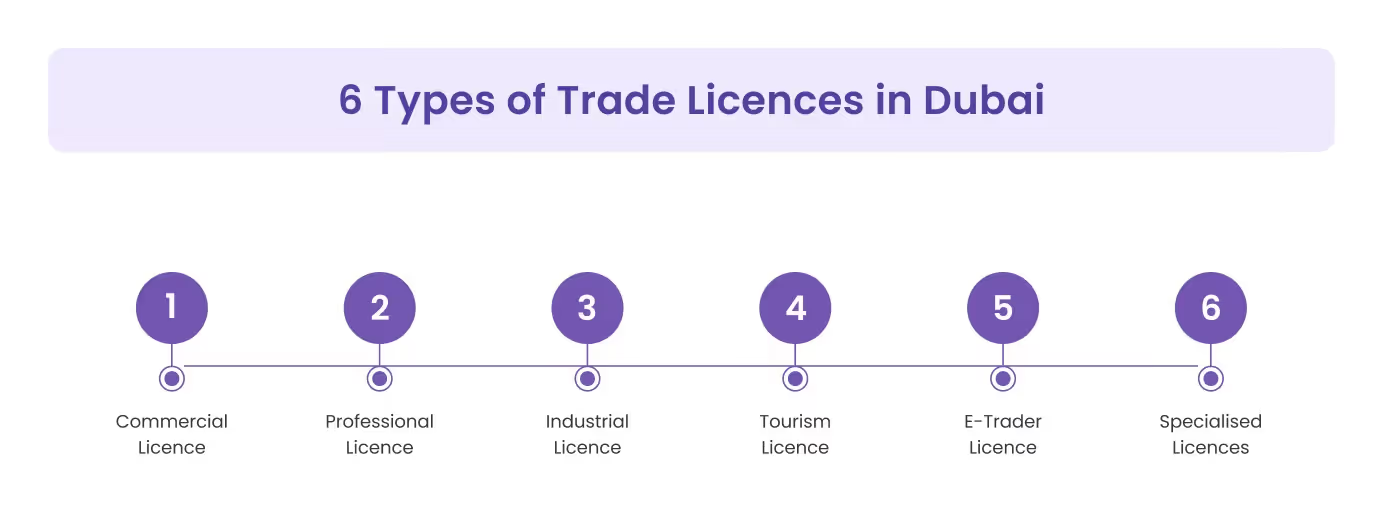
Dubai offers a variety of trade licences, each tailored to specific business activities. Understanding the right type of licence for your business is crucial to ensure legal compliance, smooth operations, and access to the markets.
Below is an overview of the most common trade licences in Dubai:
1. Commercial Licence
A commercial licence is issued to businesses engaged in the import, export, and sale of goods. This licence is essential for retailers, wholesalers, and traders looking to establish their presence in Dubai. With a commercial licence, you can:
- Trade in a broad range of goods.
- Set up operations on the mainland or in free zones.
- Secure partnerships, suppliers, and customers both locally and internationally.
Key Benefit: The flexibility to trade multiple types of goods under one licence makes it highly suitable for businesses looking to engage in a variety of commercial activities.
2. Professional Licence
A professional licence is for service-based businesses and professionals offering specific skills. This can include consultancies, legal services, design studios, and other service-oriented businesses.
- Allows full ownership for non-UAE nationals in many cases (particularly in free zones).
- Ideal for solo entrepreneurs or small firms offering professional services.
Key Benefit: If you're providing a service, this licence provides a straightforward path to legally operating while maintaining flexibility in ownership.
3. Industrial Licence
Issued to businesses involved in manufacturing, production, or industrial processing, an industrial licence enables you to:
- Set up factories, production units, and industrial plants.
- Manufacture goods locally for distribution within the UAE or internationally.
- Operate in sectors like textiles, food production, and electronics.
Key Benefit: The industrial licence supports companies involved in both the manufacturing and assembly of goods, allowing them to import raw materials and export finished products.
4. Tourism Licence
A tourism licence is required for businesses operating within the tourism and hospitality sector, such as:
- Travel agencies
- Tour operators
- Hotels and resorts
- Event management companies
This licence is essential for businesses looking to cater to Dubai's thriving tourism market, which sees millions of visitors each year.
Key Benefit: Provides legal access to one of the fastest-growing industries in Dubai, with numerous benefits such as government support and tourism-specific incentives.
5. E-Trader Licence
An E-Trader licence is an affordable option for small businesses or home-based entrepreneurs engaging in online activities. This licence allows you to:
- Operate as a sole trader.
- Sell products or services online, typically through social media platforms or your own website.
- Keep overheads low by eliminating the need for a physical office.
Key Benefit: Perfect for freelancers or small-scale online businesses, the E-Trader licence is cost-effective and easy to obtain.
6. Specialised Licences
In addition to the above, there are specialised licences for businesses in regulated industries like healthcare, media, education, and others. These licences require additional approval from relevant authorities and are specific to the activities conducted.
- Healthcare licence: For clinics, hospitals, pharmacies, etc.
- Media licence: For businesses in broadcasting, publishing, and digital media.
Key Benefit: Tailored to meet the specific needs of highly regulated industries, these licences ensure businesses comply with strict local and international standards.
Factors Affecting the Cost of a Trade Licence in Dubai
The cost of obtaining a trade licence in Dubai is not fixed and can vary significantly based on several key factors. Understanding these factors will help you better plan for the overall expenses involved in starting your business.
Business Activity Type
The type of business you wish to set up plays a significant role in determining the cost of your trade licence. Different activities fall under different licencing categories, and each has its own associated costs:
- General Trading: This involves buying and selling a broad range of goods, which typically requires a higher licence fee due to the variety of products and larger scope of operations.
- Professional Services: Service-based businesses, such as consultancy or legal services, usually have lower fees, as they require fewer physical assets and office space.
- Manufacturing/Industrial: Industrial licences for manufacturing businesses often incur higher costs due to the need for facilities, machinery, and raw materials.
Location of Business
The location of your business, whether on the mainland or in a free zone, directly impacts the cost of your trade licence.
- Mainland: Setting up in the mainland typically involves higher costs due to the need for a physical office space and a local sponsor or agent. However, mainland businesses can trade directly with the local market and have more flexibility in terms of business activities.
- Free Zones: Free zone licences tend to be more affordable because they often provide packages that include office space, visas, and other services. However, businesses in free zones are typically restricted from doing business directly with the local market, unless they have a local distributor.
Visa Requirements
The number of visas you require will also influence the overall cost. Each employee or business owner needing a visa will contribute to the total cost:
- Single Owner: For solo entrepreneurs or freelancers, visa costs are minimal (especially for the E-Trader licence).
- Multiple Employees: Businesses with more employees will need to factor in the cost of visas for each individual. Visa fees can range from AED 5,000 to AED 6,000 per person, depending on the business size and type.
Office Space
The office space required for certain business activities is a critical factor in determining the cost of a trade licence, especially for mainland businesses.
- Mainland Businesses: Typically need a physical office space, and costs can vary based on the size and location of the office. Prices for office space in Dubai can range from AED 20,000 to AED 100,000 per year, depending on the area and office type.
- Free Zones: Many free zones offer flexible office space options, such as virtual offices or shared desks, which can significantly reduce costs.
Additional Approvals
Certain business activities require additional approvals from regulatory authorities before a trade licence can be issued. These approvals come with extra costs:
- Dubai Municipality: If your business involves health, food, or construction activities, you may need approval from the Dubai Municipality, which can add to the licencing fees.
- Ministry of Health: Healthcare-related businesses, such as clinics or pharmacies, require approval from the Ministry of Health, which involves additional costs and documentation.
- Other Government Entities: Depending on your business activity, approvals from other authorities may be necessary, adding further complexity and cost to the process.
Trade Licence Fees in Dubai: A Detailed Breakdown
The costs associated with obtaining a trade licence in Dubai go beyond the base licencing fees. Understanding the full breakdown, including both official fees and additional charges, is essential for proper business planning. Here's a detailed look at the various costs involved:
Official Fees
When applying for a trade licence in Dubai, you’ll incur several mandatory official fees that are essential to the application process:
Trade Name Registration: A fee is required to reserve your business name with the Department of Economic Development (DED) or the relevant free zone authority. This ensures your company name is unique and complies with local regulations.
- Typical Cost: AED 620 to AED 1,000 (varies by authority).
Initial Application Fee: This fee is charged when you submit your initial application for approval. The application fee covers the administrative processing of your documents and the review of your business activity.
- Typical Cost: AED 345 to AED 500.
licence Issuance Fee: This is the final cost upon approval of your business activity and documentation. It’s the fee for the actual issuance of the trade licence.
- Typical Cost: AED 12,500 to AED 15,000 (commercial licences), lower for other licence types like professional or industrial.
Additional Charges
In addition to the official fees, there are several additional charges that you should factor into your budget. These costs are often required to complete the application process and to comply with local regulations:
Document Translation: All documents submitted in foreign languages must be translated into Arabic, which is the official language for business registration in Dubai.
- Typical Cost: AED 150 to AED 500 per page, depending on the document length.
Notarisation and Attestation Fees: Certain documents, such as the Memorandum of Association (MOA), need to be notarised and attested by relevant authorities.
- Typical Cost: AED 350 to AED 1,000 per document.
Activity Classification Fees: Some businesses require classification to ensure they are registered under the correct activity category. This classification fee is part of the overall licencing process.
- Typical Cost: AED 500 to AED 1,000.
Package Options
Many free zones in Dubai offer all-inclusive packages to simplify the setup process and reduce the time and effort involved in obtaining a trade licence. These packages typically include:
Office Space: Some free zones provide a range of office options, from virtual offices to flexi-desks and full office spaces.
- Typical Cost: AED 5,000 to AED 20,000 annually, depending on the size and type of office.
Visa: Free zone packages usually include visas for owners and employees. The number of visas provided depends on the package you choose and the space requirements.
- Typical Cost: AED 3,000 to AED 6,000 per visa, depending on the business and location.
Additional Services: Packages may also include services such as company registration with relevant authorities, bank account setup, and health insurance for employees.
Key Benefit: Opting for an all-inclusive package can save time and reduce the complexity of dealing with multiple service providers, making the setup process smoother and more cost-effective.
Here’s a revised version of this section that is search intent aligned, informative, engaging, and guideline-compliant:
How to Apply for a Trade Licence in Dubai: Step-by-Step Process

Obtaining a trade licence in Dubai is a structured process, designed to ensure that businesses comply with local regulations. Below is a simple, step-by-step guide to help you navigate the application process efficiently:
Step 1: Select a Business Activity
The first step in obtaining a trade licence is choosing the business activity that best reflects the core operations of your company. The type of business activity you choose will determine the licence you need, and it must be aligned with the economic regulations of Dubai.
- Considerations: Ensure your business activity matches the descriptions outlined by the Dubai Economic Department (DED) or the relevant free zone authority. The activity type will impact both your licence type and the related fees.
- Examples: If you’re opening a retail business, you may need a commercial licence, while a consultancy business would require a professional licence.
Step 2: Choose Your Licence Type
Based on the business activity, you must select the appropriate trade licence type. The most common licence types in Dubai are:
- Commercial Licence: For businesses involved in trading goods (import, export, and sale).
- Professional Licence: For service providers like consultants, healthcare professionals, or IT services.
- Industrial Licence: For businesses involved in manufacturing or industrial production.
- Tourism Licence: For businesses operating within the tourism sector.
- E-Trader Licence: Ideal for small online businesses or home-based operations.
Selecting the correct trade licence is essential for legal compliance and operational success. A business activity determines the type of licence you need, and choosing the wrong licence can have serious consequences. For example, operating a service-based business under a commercial licence can lead to penalties or even licence suspension. Understanding the distinctions between different licences (e.g., commercial, professional, or industrial) is crucial to ensure that your business activities align with Dubai’s regulatory requirements.
Step 3: Apply for Initial Approval
Once you've selected your business activity and licence type, you can begin the initial approval process:
- Submit Application: Submit your application to the Dubai Economic Department (DED) or the relevant free zone authority. This includes a brief description of your business and the type of activities you intend to undertake.
- Approval Process: The DED will review your application to ensure it aligns with local regulations and doesn't conflict with any existing businesses.
Tip: If you plan to operate in a free zone, the application process might be slightly different, as each zone has its own set of rules.
Step 4: Submit Documentation
After receiving initial approval, the next step is to submit the required documentation. This documentation supports your application and verifies your identity and business structure.
- Documents Needed:
- Passport copies (for owners and shareholders)
- Tenancy agreement (proof of your office space or virtual office)
- Proof of business activity (e.g., a business plan, contracts, or relevant certifications)
These documents ensure the Dubai authorities can verify your legitimacy and business operations.
Step 5: Final Payment and Issuance
Once your application and documentation are approved, the final step is to make the payment for your trade licence.
- Payment Process: Pay the required fee based on your business type and licence category. Payment is typically made through the DED portal or through a relevant service provider for free zones.
- licence Issuance: After payment, you’ll receive your official trade licence, granting you the legal right to operate your business in Dubai.
Note: Some free zones offer instant licence issuance, allowing businesses to receive their trade licence within a few minutes, depending on the nature of their activities.
Comparing Costs: Free Zones vs Mainland
When deciding where to establish your business in Dubai, the cost difference between setting up on the mainland or in a free zone is one of the most important factors to consider. While both options have their advantages, they come with distinct financial implications. Here’s a breakdown to help you decide which option is best for your business.
Mainland
Setting up in the mainland typically comes with higher costs due to a few key factors:
- Office Space: Businesses in mainland Dubai are required to rent a physical office space. The cost of office space varies significantly depending on the location, size, and type of office, typically ranging from AED 20,000 to AED 100,000 per year.
- Local Sponsorship: For non-GCC nationals, mainland businesses must have a local sponsor (a UAE national or a UAE-owned company), which often incurs an annual fee, usually between AED 10,000 and AED 20,000.
- Additional Approvals: Mainland businesses often need additional government approvals, depending on the nature of the business activity, leading to extra costs.
Key Consideration: While the setup costs are higher on the mainland, it offers greater flexibility to do business across Dubai without restrictions and allows access to the broader UAE market.
Free Zones
Free zones are specifically designed to attract foreign investment, and they generally offer lower setup costs compared to mainland businesses. Key benefits include:
- Lower Office Costs: Free zones often offer affordable office packages, such as virtual offices or flexi-desks, which are significantly cheaper than traditional office space in mainland Dubai. Costs can range from AED 5,000 to AED 20,000 annually, depending on the free zone.
- No Local Sponsor Required: One of the most attractive benefits of free zones is the ability to own 100% of your business, without needing a local sponsor. This makes free zones particularly appealing to foreign investors.
- Tax Exemptions: Many free zones offer tax incentives, such as 100% corporate tax exemptions for a set period (usually 15 to 50 years), as well as exemptions on customs duties.
Key Consideration: While free zones offer cost savings and ownership benefits, they typically come with restrictions on doing business directly in the local UAE market. To sell directly in the mainland, additional approvals or a local distributor may be required.

Cost Implications
When comparing costs for the same business activity in both mainland and free zones, here’s how the overall expenses generally break down:
Mainland:
- Higher setup costs, including office space and local sponsorship.
- More flexibility for doing business in both local and international markets.
Free Zones:
- Lower initial costs due to office space packages and no local sponsor requirement.
- Restrictions on selling directly to the local market without additional steps.
Example: A general trading business in a mainland setup might cost between AED 12,500 and AED 15,000 for the trade licence alone, while the same business in a free zone may cost AED 10,000 to AED 14,000.
However, the mainland business will incur extra costs for office space and local sponsorship, which can increase the total setup cost by AED 20,000 to AED 30,000. Free zones, on the other hand, may offer all-inclusive packages for around AED 15,000, covering office space, visa allocations, and the trade licence.
Additional Costs to Consider
While the trade licence is a significant part of your business setup costs in Dubai, there are several additional expenses that can impact your overall budget. These costs, often overlooked, can add up quickly if not accounted for.
Below is a breakdown of the most common additional costs to consider when setting up a business in Dubai:
Visa and Office Rental Fees
In addition to the cost of the trade licence, businesses in Dubai will need to budget for visa fees and office rentals:
Visa Costs: Required for each employee or business owner. The cost typically ranges from AED 3,000 to AED 6,000 per person, depending on the visa type, duration, and processing requirements. It’s important to assess your staffing needs to estimate your total visa costs accurately.
Office Rental Fees: Whether in a mainland or free zone setup, office space is a key expense. Mainland businesses must rent physical office space, typically ranging from AED 20,000 to AED 100,000 per year. In contrast, free zones may offer virtual offices or flexi-desk options that are more affordable, ranging from AED 5,000 to AED 20,000 annually.
- Mainland: Office rentals can range from AED 20,000 to AED 100,000 annually, depending on the size and location of the property.
- Free Zones: Free zone businesses can often save costs by opting for virtual offices or flexi-desks, which can cost anywhere from AED 5,000 to AED 20,000 per year.
Key Consideration: These additional costs should be factored into your overall setup budget to avoid unexpected financial burdens.
Government Fees
In addition to the basic licencing fee, businesses must also account for registration, document notarisation (e.g., Memorandum of Association), and various legal clearances. These costs can range from AED 350 to AED 1,000 per document, depending on the business type.
Registration Fees: In addition to the trade licence, you will need to pay for business registration with relevant authorities like the Dubai Chamber of Commerce or the Department of Economic Development (DED).
- Typical Cost: AED 1,000 to AED 3,000.
Notarisation Fees: Documents like the Memorandum of Association (MOA) often need to be notarised and attested by official authorities.
- Typical Cost: AED 350 to AED 1,000.
Legal Clearances: If your business operates in regulated industries (e.g., healthcare, food, or construction), you may need additional legal clearances from government entities like the Dubai Municipality or the Ministry of Health.
- Typical Cost: AED 500 to AED 5,000, depending on the industry.
Key Consideration: Ensure all these fees are factored in early to avoid surprises when completing your business registration.
Hidden Costs
In addition to the obvious setup fees, there are also potential hidden costs that can increase the total cost of setting up a business in Dubai:
Marketing Approvals: For certain industries (such as food, healthcare, and pharmaceuticals), you may need marketing approvals or advertising clearances from government bodies like the Dubai Health Authority (DHA) or Dubai Municipality before launching marketing campaigns.
- Typical Cost: Can vary depending on the scope of the approval, but may range from AED 1,000 to AED 3,000.
Special licencing for Regulated Industries: If your business falls under a regulated industry (e.g., financial services, healthcare, education, etc.), you may be required to obtain additional licences or certifications from relevant authorities. These licences come with extra costs.
- Typical Cost: AED 2,000 to AED 10,000, depending on the industry and the licencing requirements.
Bank Account Setup Fees: Setting up a corporate bank account is a necessary step, but it can come with additional charges, including initial deposits and service fees.
- Typical Cost: AED 500 to AED 3,000 for setup, depending on the bank and account type.
Key Consideration: These hidden fees can significantly add to your initial setup costs, so it's crucial to consult with local experts or business setup consultants to ensure you’re fully prepared.
Renewing Your Trade Licence: Costs & Procedures

A trade licence in Dubai is typically valid for one year, and it must be renewed annually to ensure continued legal operation. The renewal process is relatively straightforward, but it’s important to stay on top of the deadlines and required documentation to avoid fines or disruptions.
Here's what you need to know about renewing your trade licence in Dubai:
Renewal Fees
The cost of renewing a trade licence in Dubai varies depending on the type of licence you hold and the business activity. On average, the fees range from:
- AED 8,000 to AED 15,000: Renewal fees for most business licences.
- Additional Costs: You may also incur costs related to document submission or changes in your business activity during the renewal process.
Key Consideration: Renewal fees tend to be lower than the initial licencing costs, but be sure to account for any additional service charges or fees based on business activity and location.
Required Documentation
When renewing your trade licence, you will need to provide several important documents for verification. These may include:
- Passport Copies: For all business owners and shareholders.
- Tenancy Agreement: The office space or virtual office lease agreement, with a validity of at least one month beyond the renewal date.
- Current Trade Licence: A copy of your existing trade licence.
- Other Documents: Depending on your business type, you may need additional approvals or certificates (e.g., health certifications for healthcare-related businesses).
Key Consideration: Ensure that all documents are up to date, especially the tenancy agreement, as expired agreements can delay the renewal process.
Renewal Process
Renewing your trade licence in Dubai is a simple process. Here are the key steps to follow:
1. Verify Your Business Details: Ensure all business information, such as ownership and business activity, is accurate and up to date.
2. Prepare Documentation: Gather all the required documents, including the tenancy agreement and passport copies.
3. Submit Application: Submit your renewal application to the Dubai Economic Department (DED) or the relevant free zone authority.
4. Make Payment: Pay the renewal fees online or through the DED service centres.
5. Receive Licence: After payment is processed and documents are verified, you will receive your renewed trade licence.
Tip: You can complete most of the renewal process online via the DED's portal or service centres, making it more convenient and faster.
How to Reduce Trade Licence Costs in Dubai
While obtaining a trade licence in Dubai is a crucial step for any business, there are several strategies you can implement to minimise your setup costs. By carefully considering where and how you register, and incorporating available services, you can reduce the financial burden of obtaining and renewing a trade licence.
Below are key strategies to help you manage these costs effectively:
Choose a Free Zone
Opting for a free zone is one of the most cost-effective ways to reduce trade licence expenses in Dubai, particularly for startups and small businesses. Free zones offer several advantages that help keep costs low:
- Affordable Licencing: Free zone businesses typically enjoy lower licence fees, with many zones offering all-inclusive packages that cover the licence, office space, and visa requirements.
- No Local Sponsor: Unlike mainland businesses, free zone companies do not require a local sponsor, which can save you high costs in annual sponsor fees.
- Tax Exemptions: Many free zones offer tax benefits, including corporate tax exemptions for a specific period, reducing ongoing operating costs.
Key Consideration: While free zones offer lower costs, they come with restrictions on doing business within the local UAE market, unless you have a local distributor or partner.
Minimise Visa Requirements
The number of visas you need for your business directly impacts your overall licencing costs. Businesses in Dubai must sponsor visas for their owners and employees, but you can control these costs by limiting the number of visas you apply for:
- For Small Teams: Only apply for the number of visas your business needs. Start with a lean team and scale as your business grows.
- Virtual Office Options: Many free zones offer virtual office packages or flexi-desk options, which typically require fewer visas compared to a full office setup. This can significantly reduce your initial visa-related costs.
Key Consideration: While reducing the number of visas can save costs, ensure that your team size aligns with your business needs to avoid operational inefficiencies.
Incorporate Instant and Online Licences
Dubai has made it easier for businesses to set up quickly through instant and online licencing services. These services can reduce both time and costs associated with obtaining a trade licence:
- Instant Licences: Some business activities in Dubai, such as general trading or professional services, allow for instant trade licence issuance within minutes if no external approvals are required. This cuts down on processing time and the need for additional services, which can help keep costs lower.
- Online Applications: Many business setup processes, including trade licence applications, can be completed online. Using the DED's online platform or relevant free zone portals allows you to avoid the costs associated with physical paperwork and service centre visits.
Key Consideration: Instant and online licences are not available for all business types. Be sure to check if your specific business activity qualifies for these expedited options.
Conclusion
Obtaining a trade licence is an essential step in setting up your business in Dubai, ensuring legal compliance and providing access to the market. By understanding the costs and processes involved, you can plan your setup effectively and avoid unexpected expenses.
Want to streamline your business operations further? After securing your trade licence, managing your financial processes becomes crucial.
Schedule a free demo today to discover how Alaan’s expense management system can simplify your financial tracking, helping you save time and stay compliant.
FAQs
Q1. What documents are required to apply for a trade licence in Dubai?
A trade licence application in Dubai typically requires passport copies of partners and directors, a tenancy agreement (Ejari) for office space, a business activity selection, and a completed application form. Additional approvals may be needed for regulated activities such as healthcare or food services.
Q2. Can a non‑UAE resident obtain a trade licence in Dubai?
Yes, non‑UAE residents can obtain a trade licence in Dubai. Free zones offer 100% foreign ownership and simplified procedures, while mainland licences may require a local sponsor or agent, depending on the business activity.
Q3. How long does it take to obtain a trade licence in Dubai?
The timeframe varies by jurisdiction and business activity. In free zones, the process can be completed within a few days once all documents are submitted. Mainland applications may take several weeks due to additional approvals and office setup requirements.
Q4. What happens if I do not renew my trade licence on time?
If a trade licence is not renewed by its expiry date, authorities may impose fines, penalties, or suspend business operations until the renewal is completed. Renewing on time helps avoid these complications.
Q5. Are there different costs for the same business activity in the mainland and free zones?
Yes, costs differ. Mainland licences generally incur higher total expenses due to office space requirements and potential sponsor fees, while free zones often offer lower upfront fees and business packages, though free zone companies may face restrictions on trading within the local UAE market.
Gain control over business expenses with Alaan corporate cards
Invygo earned AED 100,000 in cashback using Alaan cards
Personalise approval workflows to align with your business needs with Alaan's Spend Management platform
Discover the power of automated expense tracking and smarter spend control with Alaan
Turn data into actionable insights with Alaan's spend management tools
Stay Tax Compliant with UAE's #1 Corporate Card and Spend Management Platform
Customisable corporate card policy template
Know how much Corporate Tax you have to pay this fiscal year
Easily integrate Alaan with your ERP for accurate, real-time expense tracking
Close books faster with Alaan's AI-powered accounting automation
Reconcile your books in minutes instead of hours, every single month.
Keep petty cash organized with Alaan corporate cards and automated expense management

%2520(1).avif)